
Vera C. Rubin Observatory: 800,000 Alerts & Best Telescopes to See Them
The Vera C. Rubin Observatory fired 800,000 alerts in one night, changing astronomy forever. Discover the best telescopes and apps to track the cosmos in real-time.

By Team Gimmie
Updated August 27, 2026
The Night the Sky Started Screaming
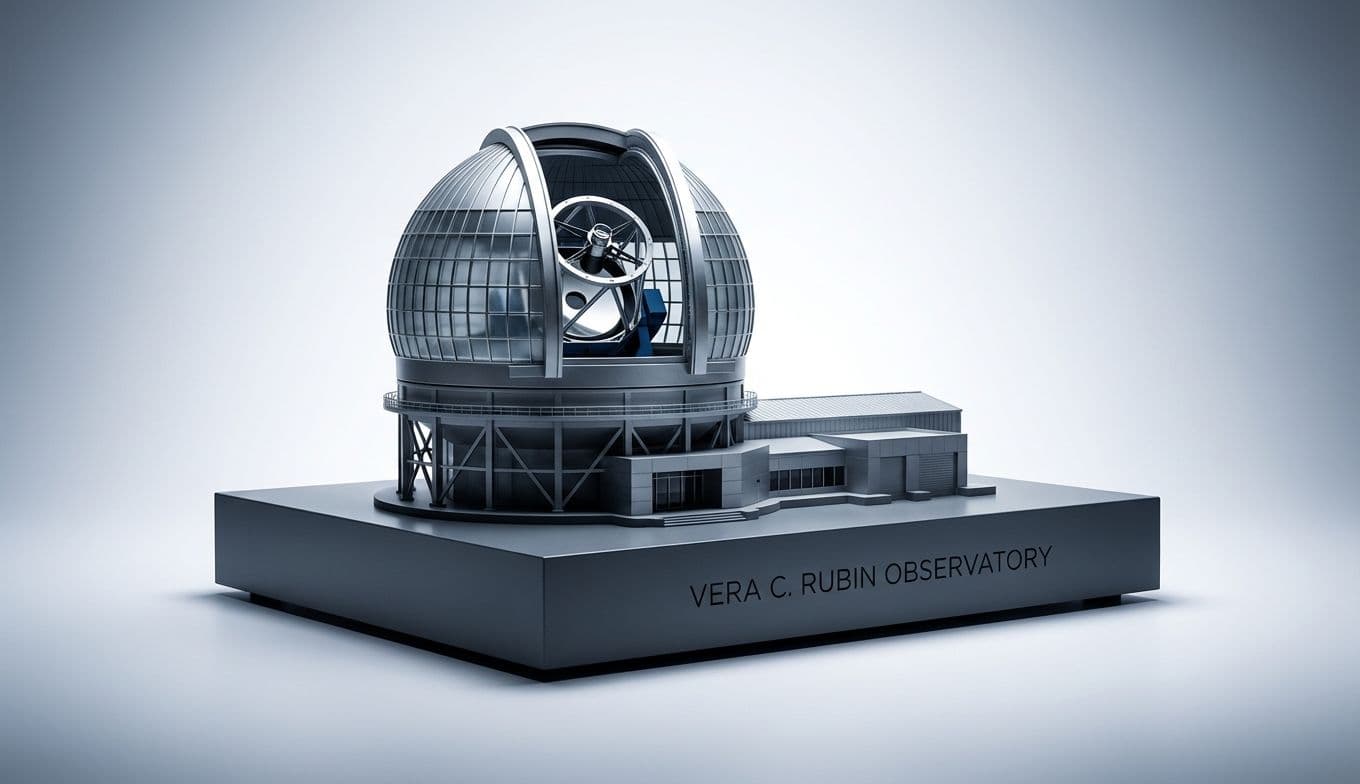
Imagine your phone buzzing with a notification. Then another. Then another. Now, imagine that happens 800,000 times in a single night. This isn't a social media glitch or a group chat gone rogue; it’s the sound of the universe finally being heard in real-time. Last week, the Vera C. Rubin Observatory officially opened its digital floodgates, and the results were nothing short of a cosmic avalanche. On its very first night of public operation, its automated system fired off nearly a million alerts, flagging everything from "near-miss" asteroids to the explosive deaths of distant stars and the messy eating habits of supermassive black holes.
For decades, astronomy was a game of patience—long nights spent staring at a single patch of sky, hoping something might move. The Rubin Observatory, equipped with a car-sized camera, has flipped that script entirely. It doesn't just look; it surveys. It’s essentially a high-speed security camera for the entire Southern sky. While professional astronomers are currently scrambling to figure out how to filter this firehose of data, the rest of us are left with a fascinating realization: the barrier between "professional science" and "backyard wonder" is officially dissolving.
From Pro Observatories to Your Patio
It’s easy to hear about 800,000 alerts and feel like it’s just noise—data points for people with PhDs. But there is a massive shift happening here that changes the way we think about the night sky. We are moving away from a static map of the stars and toward a living, breathing, and constantly changing environment. This democratization of discovery is exactly why interest in space-related tech is hitting a fever pitch.
You don’t need a multi-billion-dollar observatory to get in on the action. The technology trickling down to consumer telescopes and apps is designed to do exactly what the Rubin Observatory does: cut through the vastness of the sky to find the "signal" in the noise. For anyone looking to gift a piece of the cosmos, the goal isn't just to buy a piece of glass; it’s to provide a way to engage with this new, fast-paced version of the universe.
The "GoTo" Revolution: Hardware That Actually Delivers
