
The Truth About Hybrid Vehicles: Are They Worth It?
Discover the uncomfortable truth about hybrid vehicles. From maintenance costs to the best models like the Prius and CR-V, find out if a hybrid is right for you.

By Team Gimmie
Updated September 2, 2026
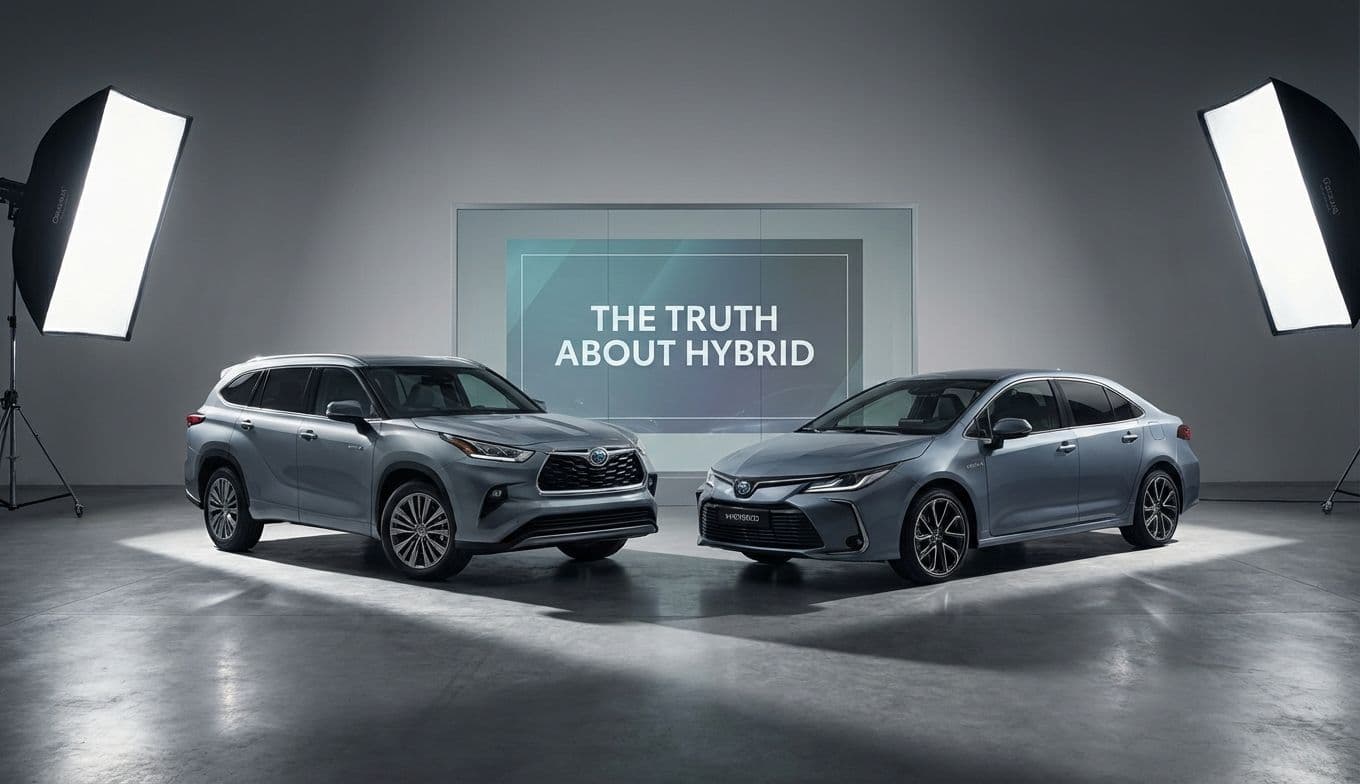
The Middle Ground Dilemma: Finding the Truth in the Hybrid Craze
As a product journalist who has spent years watching "revolutionary" tech fads evaporate faster than a software update, I tend to view mainstream hype through a lens of extreme skepticism. When it comes to cars—likely the second most expensive thing you will ever buy—the truth needs to be more than a glossy marketing brochure.
Lately, the conversation has shifted. The initial gold rush toward pure electric vehicles (EVs) has hit a bit of a plateau, and suddenly, the hybrid is the belle of the ball again. But after digging into what experts call the uncomfortable truth about hybrid vehicles, I’ve realized that while they are an essential bridge to the future, they come with a specific set of strings attached. If you are weighing a hybrid as a major family purchase or a long-term investment, you need to look past the fuel economy stickers.
The Complexity Tax: Two Engines, Double the Trouble?
The standard pitch for a hybrid is that you get the best of both worlds: the efficiency of an electric motor and the range of a gasoline engine. But the uncomfortable reality is that you also get two of everything.
Inside a hybrid, you aren’t just maintaining a car; you’re maintaining a dual-identity machine. You have the internal combustion engine (ICE) with its spark plugs, oil filters, timing belts, and cooling systems. Right alongside it, you have a high-voltage battery pack, sophisticated power inverters, and electric traction motors.
From a maintenance perspective, this is the hybrid’s hidden burden. While regenerative braking helps save your brake pads, you still have an engine that requires traditional service. If a sensor fails in the complex handoff between gas and electric power, or if the battery begins to degrade after a decade, the repair bills can be eye-watering. It is a brilliant piece of engineering, but it is also a masterclass in mechanical density. We aren't just buying a cleaner car; we're buying a more complicated one.
The Urban Commuter’s Gold Standard: The Toyota Prius
If you are looking for the absolute benchmark of this technology, you cannot ignore the Toyota Prius. For years, the Prius was the poster child for sensible, if slightly boring, environmentalism. However, the latest iteration has undergone a radical transformation. It’s no longer just efficient; it’s actually a car you might want to be seen in.
