The Rental Economy: Tesla FSD, Starlink & AI Prompt Tips

Team Gimmie

Team Gimmie

1/15/2026

The Rental Economy: Tesla FSD, Starlink & AI Prompt Tips

THE RENTAL ECONOMY AND THE NEW RULES OF TECH ADOPTION

The way we interact with technology is undergoing a quiet but fundamental shift. We are moving away from the era of owning our tools and entering an age where we simply rent their best features. Whether it is the car in your driveway or the artificial intelligence on your phone, the line between a one-time purchase and a permanent utility bill is blurring. Staying ahead of these changes is no longer just about knowing which specs are better; it is about understanding the long-term cost of the ecosystem you are buying into.

This transition creates a unique challenge for those of us trying to make smart purchasing decisions or find the perfect gift. When a product’s most advertised features require a monthly fee, the value proposition changes overnight. Let's look at the latest developments in automotive subscriptions, satellite connectivity, and AI interaction to see where your money actually belongs.

THE TESLA SUBSCRIPTION SHUFFLE: BEYOND THE SOFTWARE RENTAL

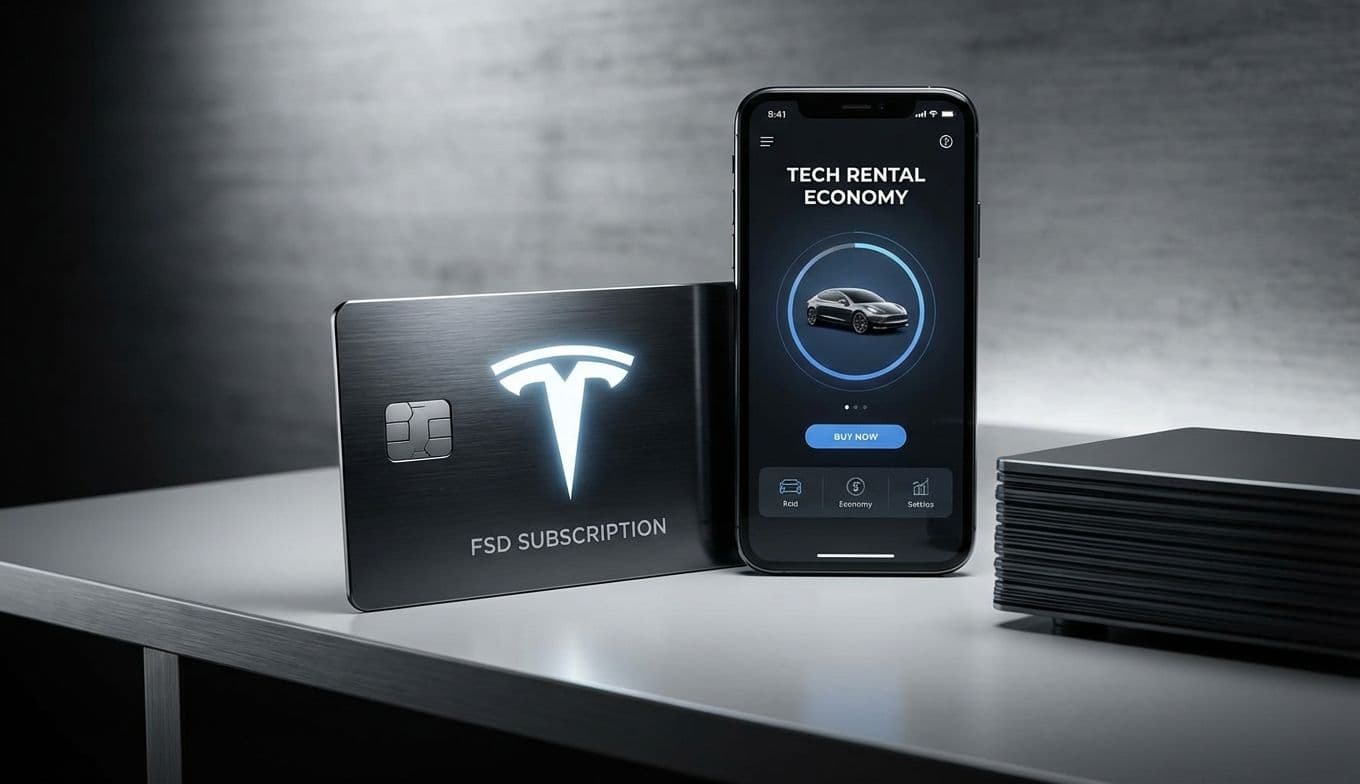
Tesla has long been the poster child for software-defined vehicles, but the recent shift toward a subscription-only model for Full Self-Driving (FSD) marks a turning point. For years, buyers were encouraged to treat FSD as an investment—a five-figure upfront cost that would theoretically increase the car's value as the software improved. By pivoting to a recurring monthly fee, Tesla is effectively admitting that FSD is a service, not a permanent part of the hardware.

For the consumer, this creates a psychological hurdle. Paying a hundred dollars or more every month for a feature that is already built into the car’s hardware can feel like being charged for the air conditioning. It also makes Tesla a difficult brand to gift for. If you want to support the EV owner in your life, skip the messy software subscriptions that require access to their personal account and financial data. Instead, focus on high-quality physical upgrades that improve the daily driving experience without a recurring bill.

If you are looking for a gift that will actually last the life of the vehicle, consider the 3D MAXpider Kagu All-Weather Floor Mats. They are widely considered the gold standard for Tesla owners because they offer a precise fit and a sleek, non-rubberized look that matches the interior. Another excellent option is a high-end portable charging kit, such as the J+ Booster 2. It gives EV owners the flexibility to charge from almost any outlet when they are away from home, providing far more peace of mind than a beta-testing autonomous software suite ever could.

THE RISE OF THE SATELLITE SAFETY NET

We recently saw Starlink make headlines by providing free satellite internet access to users in Iran during periods of heavy censorship. While this is a profound example of technology serving a humanitarian purpose, it also signals a massive shift in the consumer tech market: satellite connectivity is no longer just for maritime captains or remote researchers. It is becoming a standard safety feature for the rest of us.

We are seeing this play out most prominently in the latest smartphone releases. The iPhone 14, 15, and 16 series all include Emergency SOS via Satellite, a feature that allows users to contact emergency services even when they are miles away from the nearest cell tower. This is the new frontier of "peace of mind" technology. It transforms the smartphone from a communication device into a genuine survival tool.

For the outdoor enthusiast or the habitual traveler, this is the area where tech gifts actually carry weight. If your recipient spends time hiking, skiing, or off-roading, a dedicated device like the Garmin InReach Mini 2 is a game-changer. Unlike a phone, which might have a fragile screen or limited battery life, the InReach is built for the elements and offers two-way satellite messaging and GPS tracking. It is a gift that says you care about their safety as much as their hobbies. The trend is clear: connectivity is moving to the sky, and having a backup plan for when the grid fails is the new must-have feature.

SPEAKING AI: WHY DIRECTNESS TRUMPS POLITENESS

One of the more entertaining discoveries in recent AI research is the "rude prompt" phenomenon. A study recently suggested that being overly polite—using phrases like "if you don't mind" or "could you please"—can actually result in worse performance from AI chatbots. When we treat AI like a human colleague, it often responds with the same cautious, generalized hedging that humans use to avoid being wrong.

The fix? Be assertive. This isn't about being mean to a machine; it's about being direct. When you use commanding language and set strict constraints, you are essentially telling the Large Language Model to stop filtering its response through layers of social pleasantries and get straight to the data. Instead of asking, "Could you maybe give me some ideas for a healthy dinner?", try: "List five high-protein dinners under 500 calories that take less than 20 minutes to cook. Do not include pasta."

Understanding how to navigate this new world of "prompt engineering" is becoming a vital skill. If you are looking for a gift for someone who is tech-curious, move past the hardware and give them the gift of expertise. Digital courses like Generative AI for Everyone, taught by Andrew Ng on Coursera, offer a practical foundation for how these tools actually work. Alternatively, the book The Art of Prompt Engineering by Nathan Hunter is a fantastic tangible resource for anyone looking to master the quirks of AI interaction.

FINDING VALUE IN A SUBSCRIPTION-HEAVY WORLD

The common thread through all these stories is the need for intentionality. As companies try to turn every feature into a monthly line item, we have to be more disciplined about what we own versus what we rent.

When you are looking at the next big tech purchase, ask yourself three questions. First, does this product function if the company goes out of business or turns off the servers? Second, is the subscription adding new value, or is it just unlocking a door that was already there? And third, is there a physical alternative that provides a better long-term return?

The most exciting tech today isn't necessarily the flashiest software or the most expensive subscription. It’s the tools that provide real-world utility—whether that is a satellite link that keeps you safe in the wilderness or a more effective way to use the AI tools already at your fingertips. Focus on the substance, ignore the hype, and you will find that the best tech is the stuff that serves you, not the other way around.

#Tesla FSD subscription#AI prompt engineering tips#Starlink satellite internet#tech gift guide 2024#satellite emergency SOS