
Snap AR Glasses: Are Qualcomm-Powered Specs Worth Buying?
Snap is partnering with Qualcomm for next-gen consumer AR glasses. Are they ready for your holiday wishlist? Discover specs, alternatives, and our verdict.

By Team Gimmie
Updated September 2, 2026
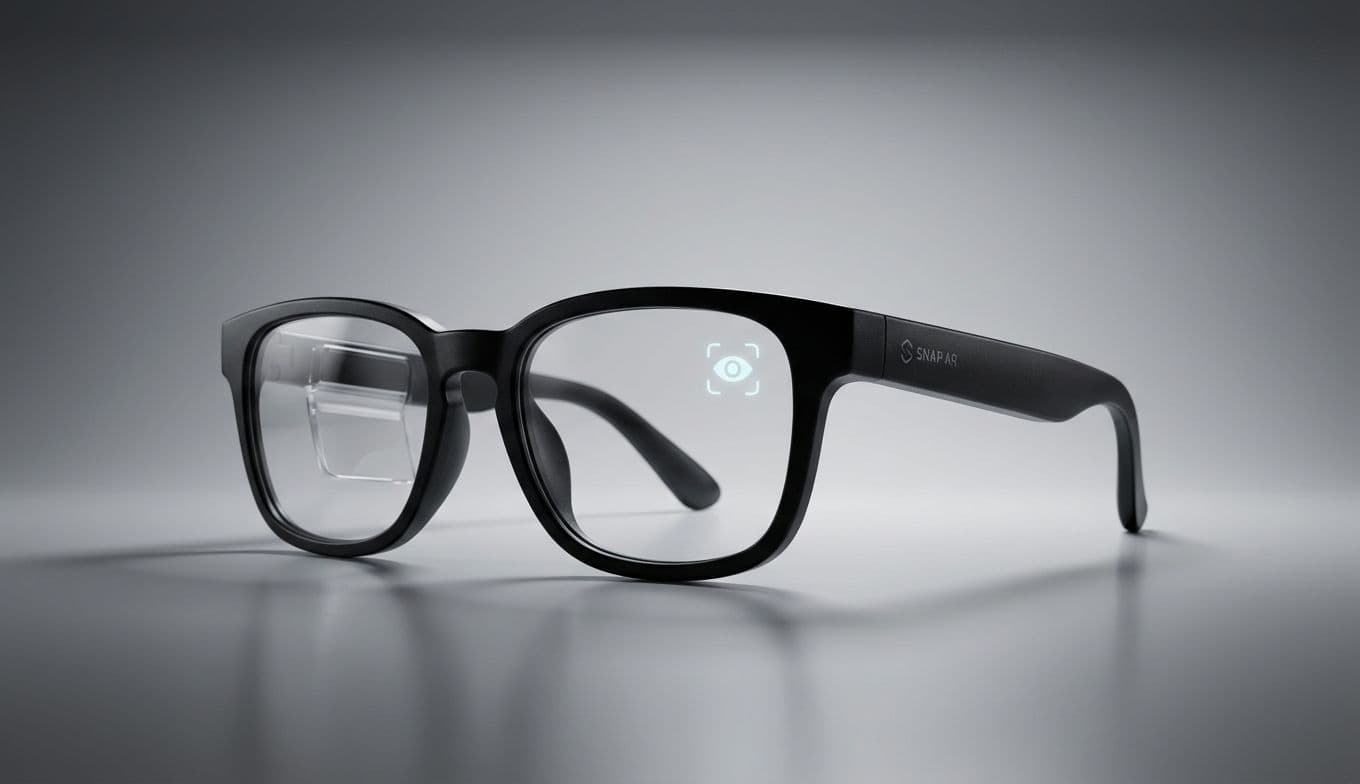
Snap's AR Glasses: A Glimmer of the Future, But Is It Ready for Your Holiday Wishlist?
It is a familiar story in the tech world: a company with big, futuristic dreams announces another step toward making those dreams a reality. This time, it is Snap, the social media company behind the augmented reality (AR) lenses that have graced our selfies for years. They have just inked a new multi-year deal with Qualcomm, meaning their next generation of consumer AR glasses will be powered by Qualcomm’s Snapdragon XR chips.
This sounds exciting, and on the surface, it is a promising development for the elusive world of AR. But as someone who has tested more gadgets than I care to admit, I am approaching this with a healthy dose of skepticism. For the discerning consumer and the potential gift-giver, the question is not whether the technology is cool—it is whether it is actually ready for the real world. Let’s break down what this means for you.
The Snap and Qualcomm Marriage
Snap has been dabbling in AR glasses for a decade, evolving from the original Spectacles—which were essentially just a camera on your face—to sophisticated devices that overlay digital information onto the physical world. The big news here is the shift toward the general consumer. Previous AR-capable versions were locked away for developers and select creators. By partnering with Qualcomm, Snap is signaling that they are finally ready to try and put these on the faces of everyday people.
However, a strategic agreement is not a finished product. We still do not have a launch date, a confirmed price, or a battery life estimate that does not sound like wishful thinking. While Snap is leaning on a proven player in the chip space, bringing high-end AR into a pair of glasses that people actually want to wear in public is a massive hurdle.
Snap-Style AR: Moving Beyond the Gimmick
When most people talk about AR, they use generic examples like seeing the history of a building or a floating recipe. But Snap’s vision is much more personal and, frankly, weirder. Their advantage lies in the ecosystem they have already built.
Instead of looking at a historical landmark, imagine your friend’s Bitmoji sitting on your actual living room sofa, reacting to your conversation. Think about playing an interactive game where digital creatures hide behind your real furniture, or wearing a virtual outfit that only people with the glasses can see. Snap has spent years perfecting these "Lenses." Their AR is about social connection and play, not just productivity.
