Roger Linn's MPC Philosophy: Focus & Intentional Gifting
Discover how MPC creator Roger Linn's 'single tab' philosophy of focus can inspire intentional gifting and help you choose instruments over gadgets.

By Team Gimmie
Updated August 27, 2026
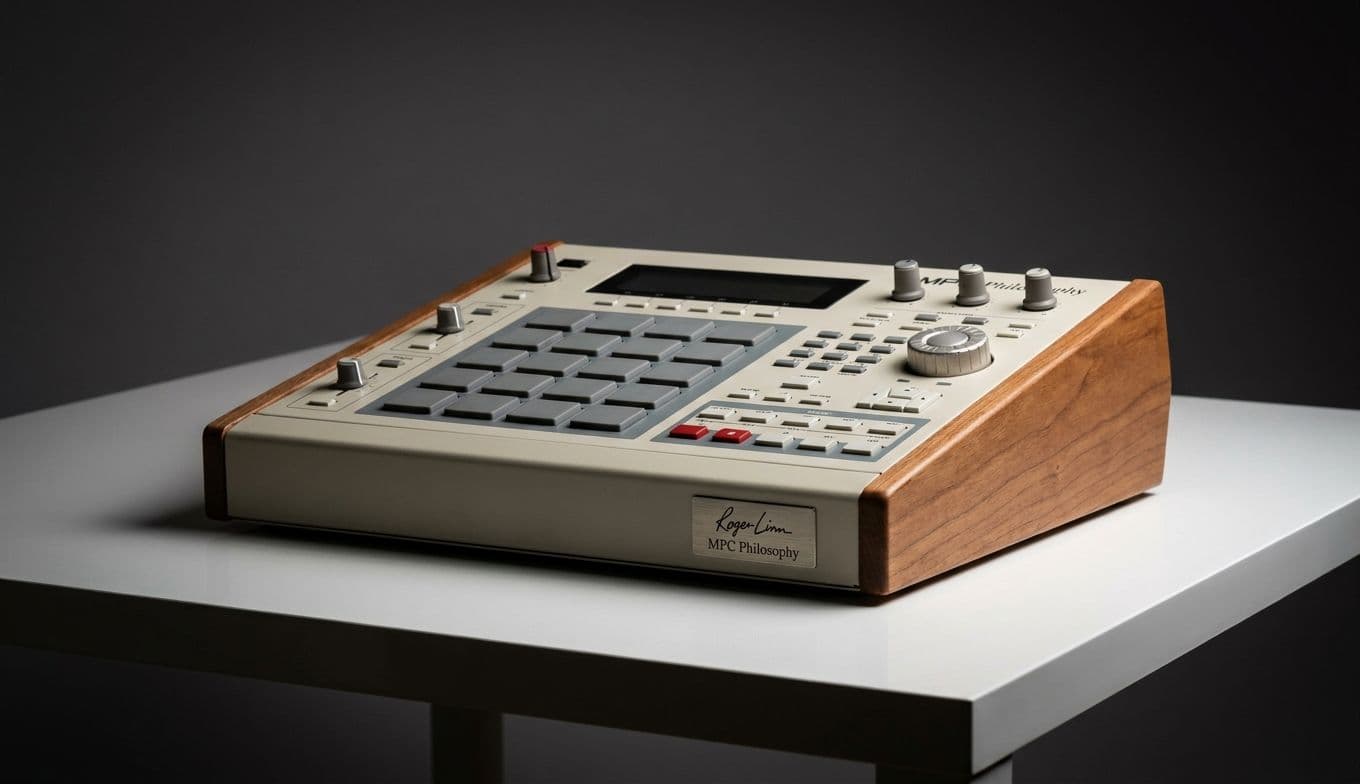
The Single Tab Revolution: Lessons in Focus from the Father of the MPC
We are living in an era of digital gluttony. At any given moment, the average consumer has seventeen browser tabs open, three half-finished shopping carts, and a smartphone buzzing with notifications for "limited-time offers." We are drowning in options, yet we often feel paralyzed when it comes to making a meaningful purchase.
In this landscape of noise, Roger Linn is a radical. If you don’t recognize the name, you certainly recognize the sound. Linn is the legendary innovator who created the LM-1, the first drum machine to use real samples, and the iconic LinnDrum. His machines provided the rhythmic backbone for Prince’s Purple Rain and 1999, powered hits for Queen and Tom Petty, and eventually—through his collaboration with Akai—birthed the MPC. The MPC (Music Production Center) didn’t just play beats; it became the instrument that defined hip-hop and electronic music for decades.
But here is the most fascinating thing about Roger Linn today: despite being a titan of music technology, he famously operates with a single browser tab. In a world of multitasking, Linn chooses mono-tasking. His approach to work and innovation is a masterclass in focus—a lesson that offers a vital blueprint for how we should navigate the overwhelming world of modern consumption and gift-giving.
The Instrument vs. The Gadget: A Philosophy of Purpose
When Linn designs a product, he isn't making a "gadget." He is making an instrument. The difference is profound. A gadget is something you use until the next version comes out; an instrument is something you master over a lifetime.
This distinction is the first lesson for the overwhelmed consumer. When we are looking for gifts or personal investments, we often get seduced by the "multi-tool" promise—products that claim to do everything but master nothing. Linn’s success came from creating tools that did one thing exceptionally well: they gave musicians a tactile, intuitive way to command rhythm.
If we want to gift better, we should look for "master tools" rather than fleeting novelties. Instead of a generic smart-home hub that will be obsolete in two years, consider the creator’s equivalent of a LinnDrum. Think of studio-quality headphones like the Sennheiser HD 600 series. These aren’t just electronics; they are precision tools for the ears that have remained industry standards for decades. Or consider professional-grade stationery, such as a Midori Travelers Notebook or a set of Blackwing 602 pencils. These items don't offer "features" in the traditional sense; they offer a dedicated space for focus and creative expression. They are the single-tab equivalent of the physical world.