Practical Gifting 2026: Why Utility is the Ultimate Love Language
Team Gimmie
1/9/2026

The End of the Clutter Era: Why Utility is the Ultimate Love Language in 2026
We have all been there. It is the morning after a birthday or a holiday, and you are staring at a pile of discarded wrapping paper and a collection of objects that you have no idea what to do with. There is the novelty mug with a pun that was funny for exactly three seconds, the scented candle that smells like a chemical fire, and that strange desk gadget that requires three proprietary batteries you do not own. They will all eventually migrate to the drawer of doom—that dark corner of the kitchen where gadgets go to die.
For years, the default setting for gift-giving was novelty. We looked for the surprise, the laugh, or the wow factor. But in 2026, the cultural needle has shifted. We are living in an era of intentionality. Between rising living costs and a collective exhaustion with consumer waste, the most meaningful gift you can give someone is no longer something that surprises them for a moment, but something that serves them for a lifetime.
The Psychology of the Everyday Object
There is a common misconception that practical gifts are boring. We worry that giving someone a high-quality toaster or a set of professional-grade kitchen shears lacks imagination. However, the psychology of gifting suggests the exact opposite. When you give someone a novelty item, they think of you once—the moment they open it. When you give someone a tool they use every single morning, they think of you every single morning.
Think about the objects in your life that you actually love. It is rarely the decorative statue on the mantle. It is the heavy-bottomed skillet that sears a steak perfectly, the noise-canceling headphones that make your commute bearable, or the fountain pen that glides across the paper without scratching. These items provide a consistent, daily upgrade to a person’s quality of life. By choosing a gift rooted in utility, you are essentially telling the recipient, I see your daily routine, and I want to make it better.
The High-Frequency Framework: How to Choose Better
To master the art of practical gifting, you need to look for high-frequency needs. This is the intersection of what someone does every day and where they are currently settling for mediocrity. Most people are surprisingly reluctant to upgrade the tools they use most often. They will continue using a dull kitchen knife or a fraying charging cable because it is good enough.

When you are hunting for the perfect product, ask yourself these three questions:
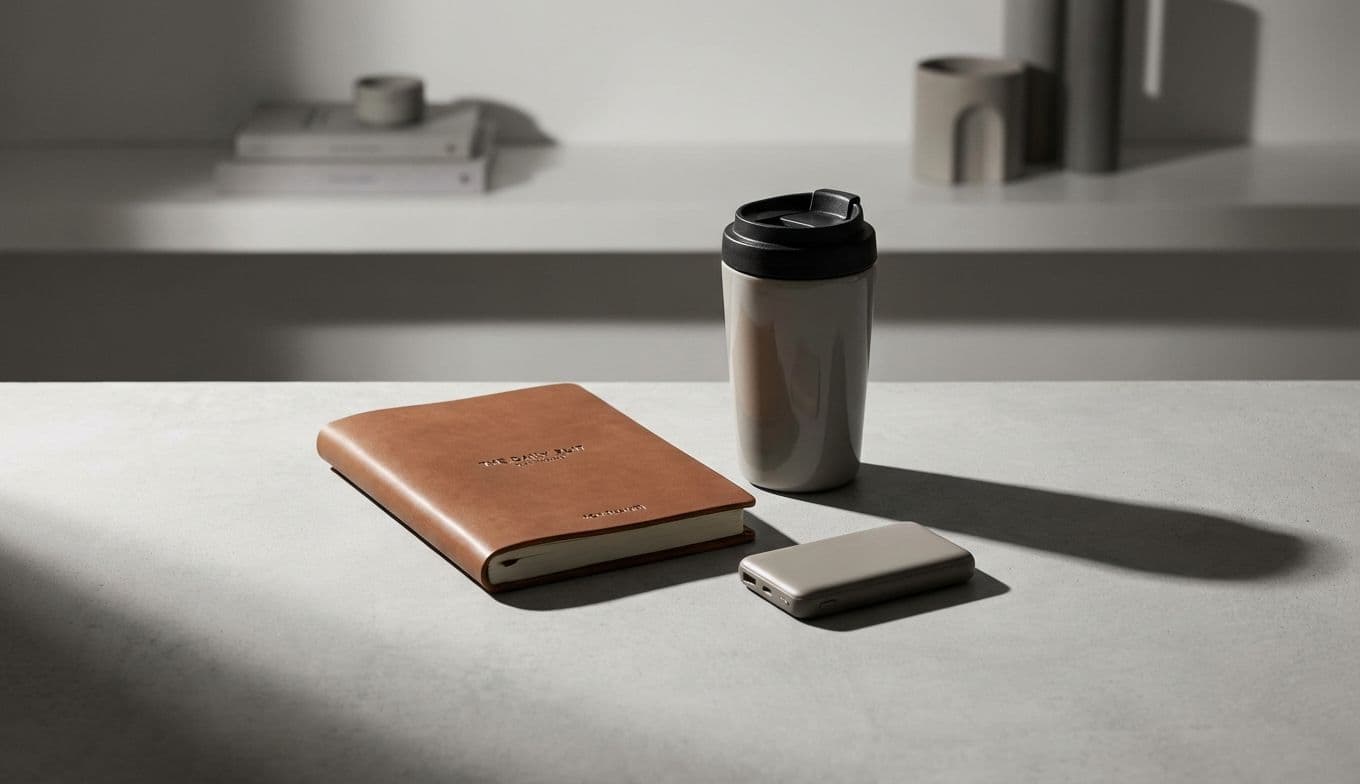
Does this solve a recurring friction point? If your friend is always complaining about their phone dying mid-afternoon, a high-capacity, sleek portable power bank is not just a gadget; it is peace of mind.
Is this the best version of an essential item? Everyone owns a bath towel. Very few people own a 900-gram Turkish cotton towel that feels like a hug from a cloud. Upgrading an essential is the safest way to ensure your gift gets used.
Will this last until 2030? Utility and durability go hand-in-hand. In a world of planned obsolescence, a product built with a repair-first mindset—like a cast-iron pan or a modular electronics kit—carries more weight than a plastic alternative.
Quality Over Quantity: The Cost-Per-Use Calculation
One of the biggest hurdles in shifting toward practical gifts is the price tag. High-quality tools often cost more than their novelty counterparts. However, if we look at the cost-per-use, the math favors quality every single time.
A fifty-dollar pair of ergonomic garden shears that will last twenty years is a much better investment than a twenty-dollar decorative garden gnome that will fade in the sun within six months. As a gift-giver, you are providing long-term value. It is better to give one exceptional item than a basket full of mediocre ones.
This approach also requires a bit of bravery. You have to be okay with the gift looking modest in the box. A small, perfectly weighted stainless steel mechanical pencil might not look as impressive as a giant box of cheap art supplies, but for the person who spends their day sketching, that pencil is a game-changer. It is about moving away from the performance of giving and toward the reality of owning.
Making Utility Feel Personal
The secret to preventing a practical gift from feeling clinical is the narrative you attach to it. Utility does not mean you should ignore the recipient’s personality; it means you should lean into it.
If you are buying a gift for a coffee lover, do not just buy them a bag of beans. Buy them the specific temperature-control kettle used by professional baristas, and include a note explaining that you noticed how much they enjoy their morning pour-over ritual. That recognition turns a kitchen appliance into a thoughtful gesture.
We are seeing a massive trend toward curated utility. This involves looking at a person’s hobbies and identifying the professional-grade gear that they would never justify buying for themselves. For the home cook, it might be a bottle of single-estate olive oil and a heavy-duty microplane. For the remote worker, it could be an ergonomic wrist rest made from reclaimed wood. These are gifts that acknowledge the recipient’s passions while providing a tangible benefit to their daily environment.
The Future of Gifting is Intentional
As we navigate through 2026, the definition of a great gift continues to evolve. We are moving away from the era of stuff and into the era of tools. A great gift should not take up space; it should create value. It should not be a burden to store; it should be a joy to use.
Next time you find yourself browsing for a gift, step away from the novelty aisle. Ignore the things that are designed to be funny for five minutes and look for the things that are designed to be useful for five years. Your friends and family probably do not need more clutter in their lives, but they could almost certainly use a better way to do the things they already love. By choosing utility, you are giving the gift of a smoother, more efficient, and more enjoyable life. And really, what could be more thoughtful than that?