
Microplastics in Kitchen: 7 Hidden Sources & Safe Swaps
Are your kitchen tools shedding microplastics? Uncover 7 hidden sources like cutting boards and tea bags, and discover expert plastic-free swaps for a safer home.

By Team Gimmie
Updated September 2, 2026
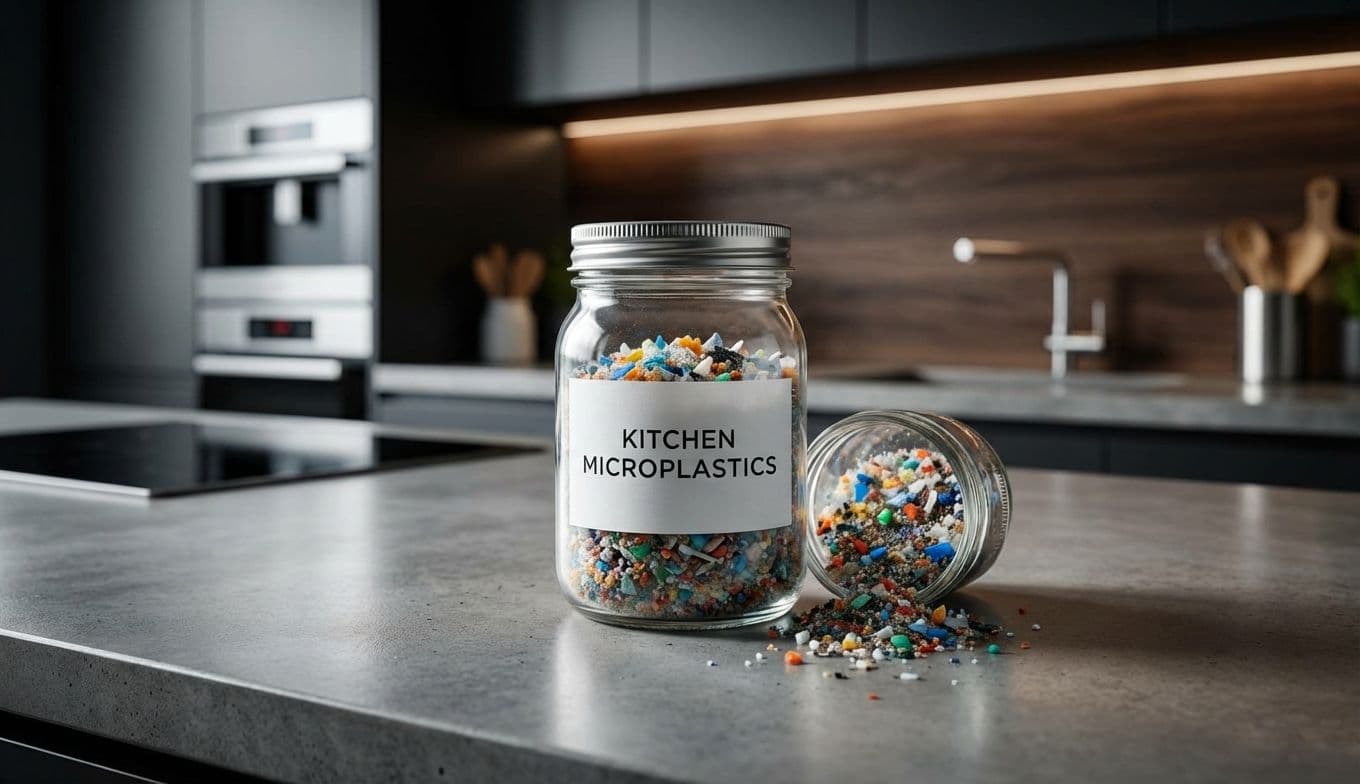
THE HIDDEN GUESTS AT YOUR DINNER TABLE: 7 KITCHEN STAPLES SHEDDING MICROPLASTICS
I have spent the better part of a decade inside professional test kitchens, surrounded by the hum of high-end smart ovens and the relentless clicking of digital thermometers. Usually, my job is to tell you which air fryer yields the crispest wings or which blender can liquefy a kale stem without breaking a sweat. But lately, my focus has shifted from how these tools perform to what they might be leaving behind.
We have all heard the warnings about microplastics in our oceans and bottled water, but the most significant point of contact might be much closer to home. It is sitting in your dishwasher and tucked inside your utensil drawer. I am not talking about a fringe health scare; I am talking about the physical degradation of the tools we use to feed our families every single day.
Before we dive into the specifics, we need to clear up one major misconception: the BPA-free myth. For years, we have been trained to look for BPA-free labels as a universal seal of safety. While removing Bisphenol A—a known endocrine disruptor—is a good thing, a BPA-free label does not mean a product is microplastic-free. Microplastics are not chemicals; they are physical fragments of the plastic polymer itself. A BPA-free plastic spoon can still shed millions of microscopic shards into your boiling pasta water.
If you are looking to audit your kitchen or find the perfect, health-conscious gift for a friend, here are the seven most common culprits currently hiding in plain sight.
-
SCORED PLASTIC CUTTING BOARDS This is arguably the biggest offender in the average kitchen. Every time you bring a sharp chef’s knife down onto a plastic board, you are not just slicing your bell peppers; you are creating microscopic canyons in the plastic surface. Over time, those deep knife marks begin to fray. Research has shown that a single person could be exposed to tens of millions of microplastic particles a year just from chopping on plastic surfaces. If your board looks fuzzy or has deep, discolored grooves, it is effectively shedding plastic seasoning onto every meal you prep.
