LAtitude 52N Smart Glasses: Ex-OnePlus Tech & Hidden Costs
Discover the pros and cons of the LAtitude 52N smart glasses by ex-OnePlus engineers. Great AI features, but beware the hidden subscription cost. Read more!

By Team Gimmie
Updated August 27, 2026
THE ONEPLUS PEDIGREE MEETS THE AI SUBSCRIPTION TRAP
When a group of engineers leaves a company like OnePlus—a brand built on the Never Settle mantra—the tech world tends to lean in. We expect hardware that punches above its weight class and software that prioritizes the user experience. The new LAtitude 52N smart glasses, born from that very engineering lineage, initially seem to fulfill that promise. They are sleek, they are genuinely smart, and they aim to solve the awkwardness of wearable tech. But there is a ticking clock hidden inside these frames, and it is one that every potential buyer needs to hear before they reach for their wallet.
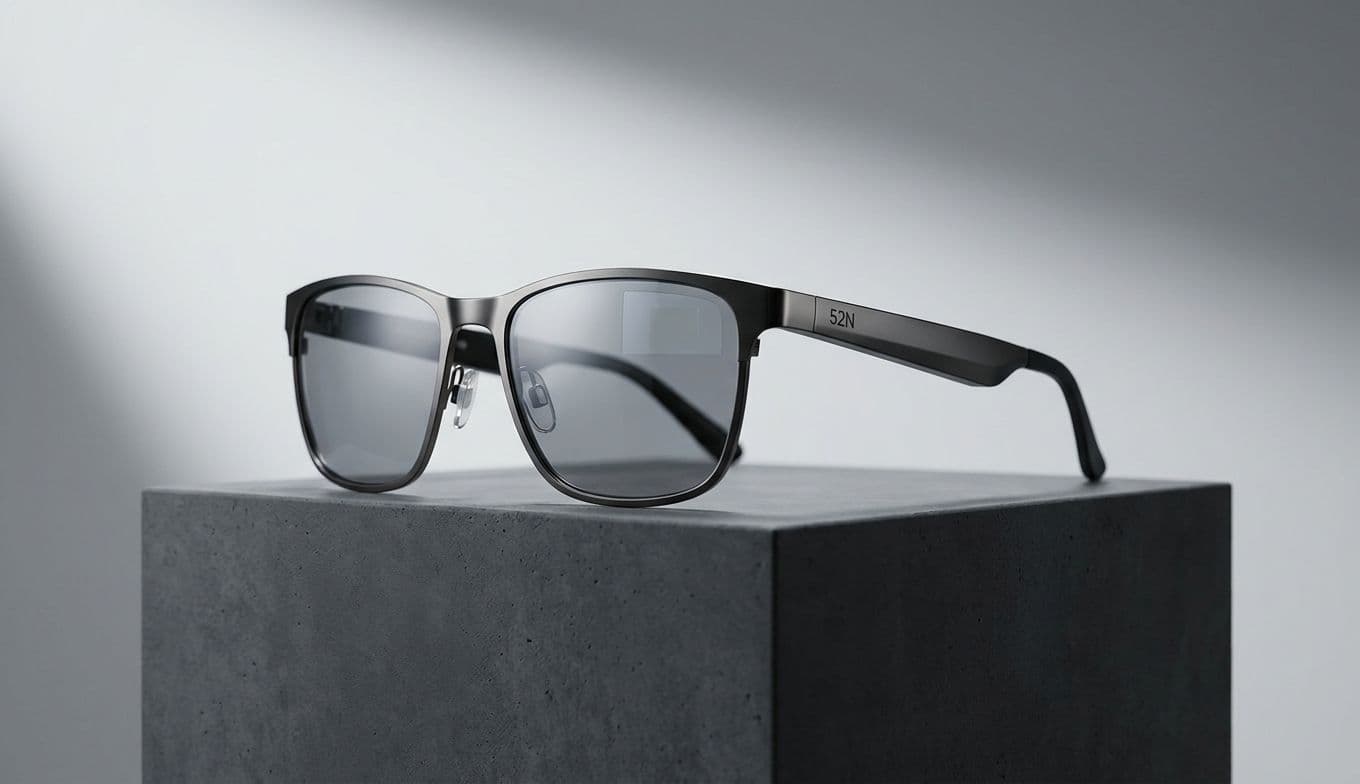
For years, smart glasses have suffered from the glasshole effect—devices that look so alien they alienate everyone around you. The LAtitude 52N avoids this entirely. These look like premium, classic eyewear, available in styles that wouldn't look out of place in a boutique shop. Weighing in at approximately 52 grams, they are remarkably light for the amount of tech packed inside. They feature discreet bone-conduction speakers and a tiny, almost invisible camera sensor. On paper, it is a hardware triumph. But as we have learned from the era of software-as-a-service, the hardware is only half the story.
THE MAGIC OF REAL-TIME AUGMENTATION
The core appeal of the 52N is its AI integration. This is not just a pair of headphones on your face. The engineers have leveraged their experience to create a seamless translation and contextual awareness engine. Imagine walking through a market in Tokyo and having the signs translated in a subtle audio overlay, or chatting with a friend in Paris while the glasses whisper the English translation of their French sentences directly into your ear.
This contextual AI also aims to identify landmarks and products in real-time. It is the kind of utility that makes the Ray-Ban Meta glasses look like a toy by comparison. While the Meta glasses are excellent for capturing video and basic assistant tasks, the LAtitude 52N is positioning itself as a productivity and lifestyle tool that actively interprets the world for you. The battery life is estimated at around four to six hours of active AI use, which is respectable for the form factor, though it requires a mid-day top-off if you are a heavy user.