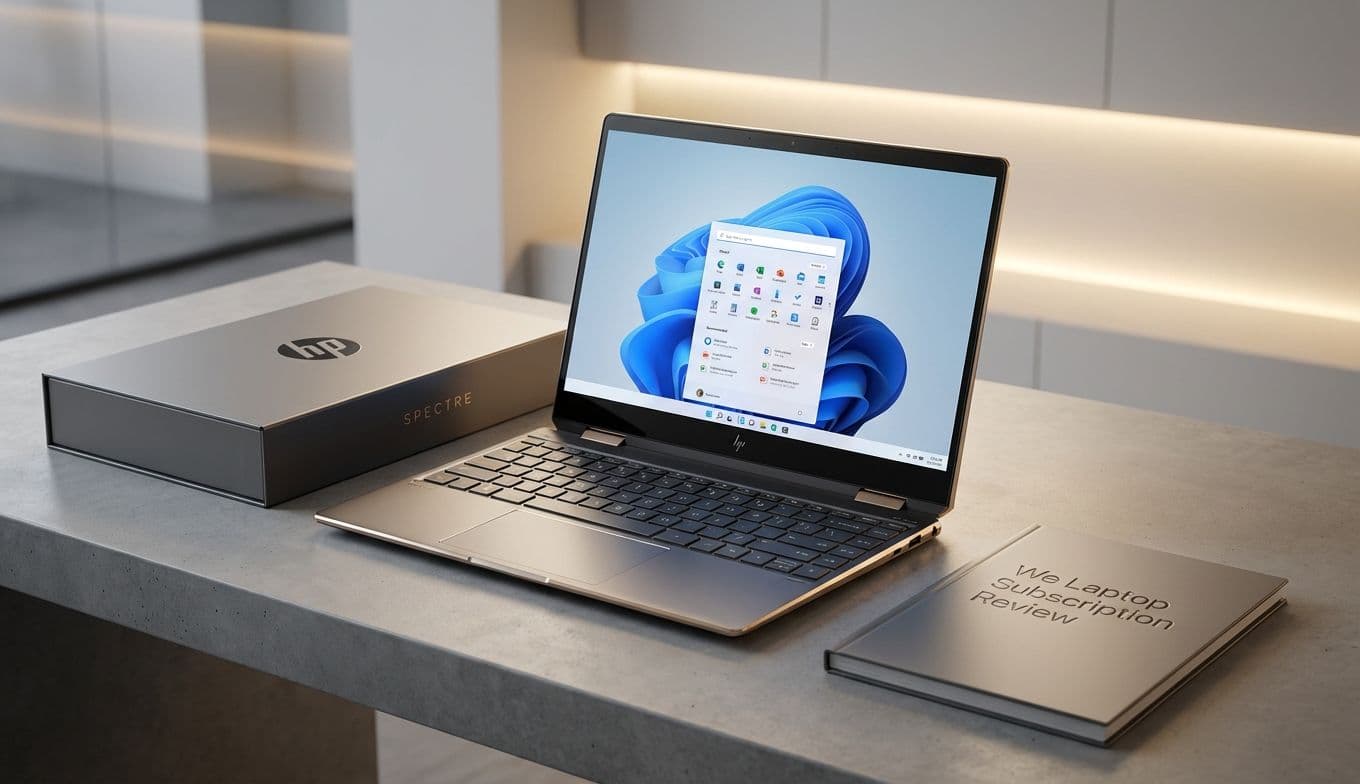
HP Laptop Subscription Review: The Hard Truth About the Cost

HP Laptop Subscription Review: The Hard Truth About the Cost

Team GimmieTeam Gimmie
Published on February 13, 2026

THE HARD TRUTH ABOUT HP’S NEW LAPTOP SUBSCRIPTION

Lately, there has been a significant amount of hullabaloo in the tech world regarding HP’s latest pivot. If you’ve been following the industry news, you’ve likely seen the headlines: HP is doubling down on its hardware-as-a-service model. In a landscape where we already subscribe to our movies, our protein powder, and even the heated seats in some cars, HP wants you to add your laptop to that monthly credit card statement. At first glance, the pitch is polished. They promise no upfront costs, regular upgrades, and a seamless experience. But as someone who spends every day analyzing where consumer value meets corporate strategy, I have to tell you: this isn't a service designed to make your life easier. It’s a service designed to make HP’s revenue more predictable at your expense.

We need to be honest about what is happening here. This isn’t just a new way to buy a computer; it is a fundamental shift away from the idea of ownership. When you dig past the marketing gloss, the reality is that HP’s subscription model for consumer and gaming laptops is a raw deal for almost everyone involved—except, of course, for HP.

THE 2-YEAR MATH: WHY THE NUMBERS DON’T ADD UP

The most effective way to see through the hype is to pull out a calculator and look at what I call the 2-Year Math. Let’s take a look at the Gaming Tier, which HP has built around its popular Omen line—specifically machines like the HP Omen 16.

For this tier, you are looking at a monthly fee starting at approximately 49.99 dollars. At first, 50 dollars a month sounds manageable, especially compared to dropping a grand or more all at once. But let’s look at the commitment. Over a standard 24-month period, you will have paid HP a total of 1,199.76 dollars.

Now, consider the retail landscape. A well-equipped HP Omen 16 with a modern mid-to-high-range graphics card frequently retails for between 950 and 1,100 dollars. If you watch for holiday sales or back-to-school promotions, that price often dips even lower. By the end of two years on the subscription, you have already paid more than the total retail price of the laptop. And here is the kicker: at the end of those two years, you own absolutely nothing. You have zero equity. You are required to send the laptop back to HP, or start a new subscription for a new model, beginning the payment cycle all over again.

If you had bought that Omen 16 outright for 1,050 dollars, you would still have a machine that is worth 400 to 500 dollars on the secondary market after two years. By subscribing, you aren’t just paying for the tech; you are paying a massive premium for the privilege of returning it. When you add it up, subscribing to an Omen costs you roughly 600 dollars more than owning one when you factor in the resale value. That is not a convenience fee; that is a significant financial hit.

THE ILLUSION OF SERVICE FOR THE PROFESSIONAL TIER

It isn't just gamers being targeted. HP is also pushing this model for its productivity machines, specifically tiers featuring the HP EliteBook and ProBook series. The entry price here is roughly 34.99 dollars per month.

The argument HP makes is that this is perfect for the busy professional who wants a machine that just works. They include support and some level of protection, but let’s be real: most of these machines come with standard warranties anyway, and the EliteBook series is already known for its durability.

The EliteBook 840, for example, is a workhorse. It’s a laptop designed to last five years, not two. By locking yourself into a subscription that encourages a trade-in every couple of years, you are paying for more hardware than you actually need to consume. You’re being sold a solution to a problem that doesn’t exist for most people. If you buy an EliteBook today, it will likely serve you faithfully through 2030. If you subscribe, you’ll have paid for that same laptop three times over by the time its natural lifespan is up.

THE GIFTING DILEMMA: GIVING A BILL INSTEAD OF A BRAND

As we look toward major gifting seasons, this subscription model presents a unique problem. At Gimmie AI, we believe a gift should be a moment of genuine connection and lasting value. Giving a laptop is a milestone—it’s a tool for a student heading to college, a canvas for a digital artist, or a powerhouse for a burgeoning gamer.

Imagine the experience of receiving a laptop subscription. Instead of a permanent asset that the recipient can call their own, you are essentially handing them a lease. You are gifting them a monthly obligation that will eventually expire. There is something fundamentally impersonal, even slightly cold, about giving someone access to a device rather than the device itself. A gift should be a door that opens, not a timer that starts ticking. For parents or grandparents looking to buy a laptop for a loved one, my advice is firm: buy the hardware. Let them own the stickers they put on the lid and the files they save to the drive without the looming shadow of a return shipping label.

SMARTER WAYS TO SECURE YOUR TECH

If you’ve decided that an HP machine is the right fit for you—and to be fair, HP makes some of the best hardware in the business—there are much better ways to get one than signing up for a monthly drain on your bank account.

First, look at the Spectre and Envy lines. These are HP’s crown jewels for premium design and everyday performance. Because these aren't currently the primary focus of the subscription push, you can often find incredible deals on them through major retailers. Buying these outright during a holiday sale is the gold standard for value.

Second, if the upfront cost is the hurdle, explore 0 percent APR financing. Many major electronics retailers and even HP’s own web store offer 12 to 24-month financing windows. The monthly payment will likely be similar to the subscription cost, but with one massive difference: at the end of the term, the laptop is yours. You can keep using it for another three years for free, or sell it to fund your next upgrade.

Third, do not sleep on the HP Refurbished Outlet. These are often open-box returns that have been factory-certified. You can snag an EliteBook or an Omen for 30 to 40 percent off the sticker price, getting a like-new machine while someone else takes the initial depreciation hit.

THE FINAL VERDICT: OWN YOUR TOOLS

The shift toward everything-as-a-service is a win for corporate balance sheets because it creates recurring revenue that never ends. But for you, the person actually using the keyboard, it is a losing game. A laptop is a primary tool for modern life. It is where we work, where we create, and where we connect. You should own your tools.

HP’s subscription service is a clever attempt to dress up a lease as a lifestyle choice. But when you look at the 2-year math, the lack of equity, and the impersonal nature of the service, the conclusion is clear. Skip the subscription. Buy the machine. Keep your money, and more importantly, keep your tech. In the long run, ownership isn't just about having an asset; it's about the freedom to decide when you're ready for an upgrade, rather than letting a contract decide for you.

HP Laptop Subscription Review: The Hard Truth About the Cost | Gimmie