How Often to Clean Coffee Maker: Expert Tips on Seasoning vs. Scrubbing
Team GimmieWhy You Should Stop Scrubbing Your Coffee Maker Every Single Day
The notion that you might be over-washing your coffee maker is, frankly, a little wild. We are conditioned to believe that more cleaning equals more cleanliness, especially when it comes to kitchen appliances that touch our food and beverages. But according to specialty coffee professionals, there is a sweet spot for maintenance, and going beyond it could actually be detrimental to your morning brew. It turns out, a little bit of coffee residue is not only acceptable—it can be a good thing.
The Counterintuitive Case for a Seasoned Machine
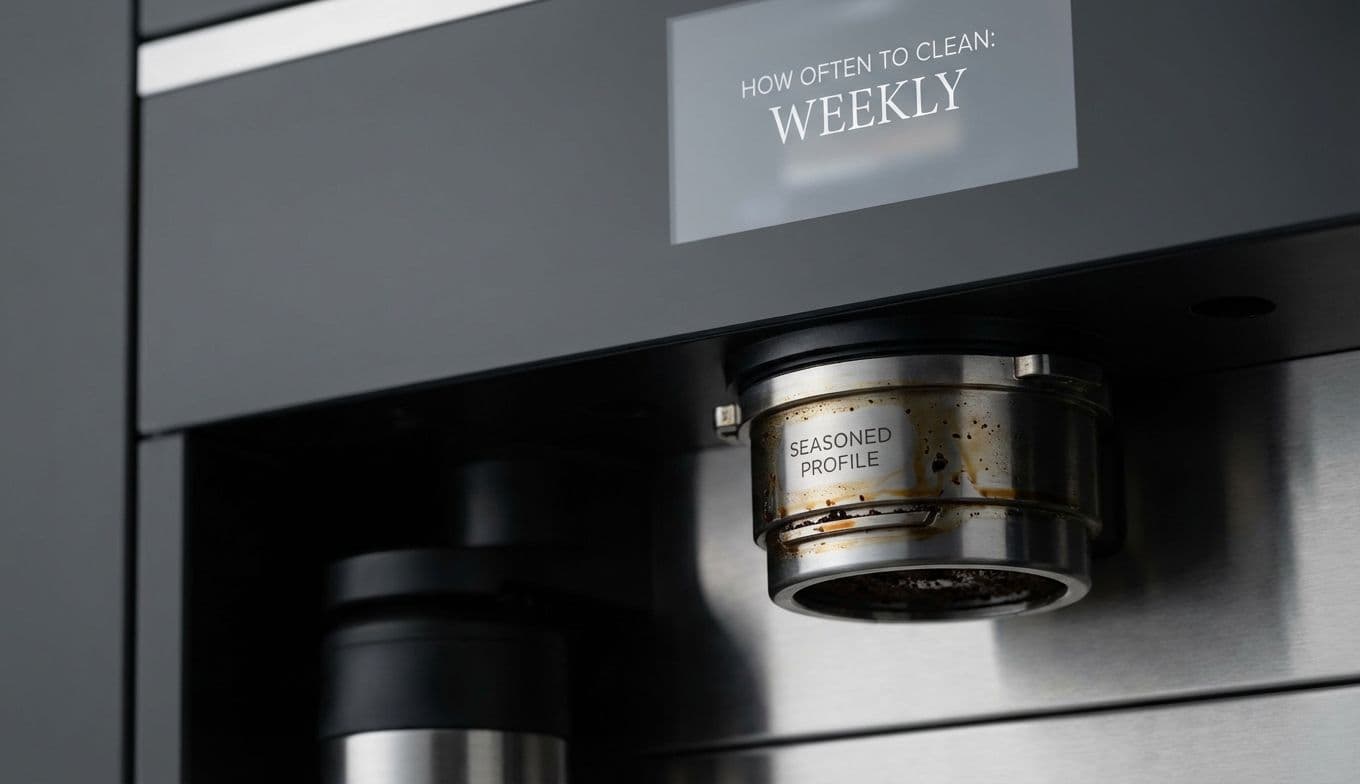
Let us be real: the idea of not scrubbing your coffee maker until it is squeaky clean every single day feels unhygienic. However, industry experts like specialty roasters and veteran baristas argue that we are approaching the cleaning process with the wrong mindset. The brewing process naturally leaves behind essential oils from the coffee beans. Over time, these oils create a light coating that prevents the water from interacting directly with the raw materials of the machine, whether that is glass, metal, or high-grade plastic.
Think of it like a cast-iron skillet. You do not strip a skillet down to the raw iron with harsh detergents after every use because you want to maintain that seasoned layer. Coffee equipment operates on a similar principle. This insight is particularly valuable for gift-givers. When choosing a machine for a friend, you are not just looking for something that makes coffee; you are looking for a machine that handles this natural seasoning process gracefully without becoming a maintenance nightmare.
The Essential Smell Test: Seasoned vs. Rancid
How do you know when your machine is seasoned and when it is just plain dirty? Since coffee oils are organic, they eventually oxidize and go rancid if left for too long. To tell the difference, use the Smell Test:
Empty your machine and run a cycle of plain water. Once the water is in the carafe, let it cool for a minute and then take a deep sniff.
The Seasoned Aroma: If the water smells faintly of toasted nuts, cocoa, or a generic roasty sweetness, your machine is well-seasoned. The oils are fresh and are likely enhancing the body of your brew.

The Rancid Warning: If you detect notes of old crayons, wet cardboard, or a sharp, vinegar-like sourness, the oils have oxidized. This is your signal that the seasoning has turned into sludge, and it is time for a deep, restorative clean.
Why Material Matters: Glass, Copper, and Plastic
When you are on the hunt for a new coffee maker, it is easy to get bogged down in a sea of features like programmable timers or Wi-Fi connectivity. But if you want a machine that benefits from the seasoning process without harboring bacteria, you have to look at the materials.
Cheaper, porous plastics tend to absorb oils rather than just letting them coat the surface. Over time, these oils seep into the plastic itself, leading to a permanent stale taste that no amount of scrubbing can fix. This is why high-end machines often prioritize non-porous materials like borosilicate glass or stainless steel. These materials allow for a healthy layer of seasoning that can be easily managed rather than a permanent buildup of funk.
Product Picks: Machines Built for Quality and Longevity
The following recommendations are not just top-tier brewers; they are machines designed with materials that handle the seasoning process better than the average discount-store model.
For the Purist: The Chemex Pour-Over Coffee Maker The Chemex is a masterclass in material science. Made entirely of non-porous borosilicate glass, it does not absorb odors or chemical residues. Because the surface is so smooth, it allows for a very clean seasoning profile. You can rinse it with hot water daily to remove the loose sediment, and the glass will maintain a perfect, neutral environment for your coffee. It is the ultimate gift for the minimalist who wants a beautiful object that is nearly impossible to ruin with improper cleaning.
For the Every-Day Enthusiast: The Technivorm Moccamaster The Moccamaster is often cited as the gold standard for home drip brewing, and for good reason. It uses a heavy-duty copper heating element and high-quality metal internal components. Unlike plastic-heavy machines, the Moccamaster’s internal path is designed to be durable. It handles the natural oils of the coffee without the plastic fatigue seen in cheaper models. For a gift-buyer, this is the safe bet; it is a professional-grade machine that is incredibly forgiving for a casual drinker who might not want to descale every two weeks.
For the Pragmatic Minimalist: Bonavita Enthusiast Bonavita brewers focus on the fundamentals: water temperature and saturation. Their designs are notably simpler than many high-tech competitors, featuring fewer internal nooks and crannies where old water and oils can stagnate. This simplicity makes the occasional deep clean much easier to execute. It is the perfect machine for someone who values performance but does not want to feel like they need an engineering degree to keep their coffee tasting fresh.
Common Coffee Maker Conundrums
My coffee tastes bitter or sour. What is wrong? This is usually a result of temperature or grind size, but if you have ruled those out, check your mineral buildup. While a little oil is good, mineral deposits (scale) from your water can trap those oils and make them go rancid faster. If you haven't descaled in a few months, that is likely your culprit.
How often should I really clean it? The consensus among experts is a tiered approach. Give the carafe and filter basket a quick rinse with hot water every day. Perform a deeper clean with a mild, scent-free detergent once a week. Finally, run a descaling solution through the internal components once every three months. This keeps the machine functional without stripping away its character.
Are cleaning pods worth it? In most cases, no. Many cleaning pods use harsh chemicals that can be difficult to rinse out completely, potentially ruining the seasoned profile you have built up. A simple solution of white vinegar and water for descaling, or specialized coffee-specific powders like Urnex, are generally safer and more effective.
The Takeaway: Brew Smarter, Not Harder
The most valuable lesson here is that a coffee maker is a tool designed to extract flavor, and sometimes, the very oils that make coffee delicious benefit from a light touch rather than a heavy scrub. Hyper-cleaning is not always the superior method. For consumers and gift-givers, this means looking for machines that are well-built, use premium materials, and are reasonably easy to maintain.
Do not fall for the hype that you need a machine with a dozen features you will never use. Instead, invest in a machine made of glass or high-quality metal, understand the basics of the smell test, and adopt a maintenance routine that keeps your machine clean enough to be safe, but seasoned enough to be delicious. Your taste buds—and your morning routine—will be better for it.