Google Disables Take a Message on Pixel 4 & 5: Privacy Bug Explained

Team Gimmie

Team Gimmie

1/29/2026

Google Disables Take a Message on Pixel 4 & 5: Privacy Bug Explained

The Legacy Tech Trap: Why Your Old Pixel Just Lost Its Best Features

Imagine you are having a private conversation in your kitchen, unaware that your phone on the counter has decided to let a random caller listen in. It sounds like the plot of a low-budget cyber-thriller, but for a group of Google Pixel owners, this recently became a reality. When your smartphone starts making its own decisions about when the microphone should be active, it stops being a convenience and starts being a liability.

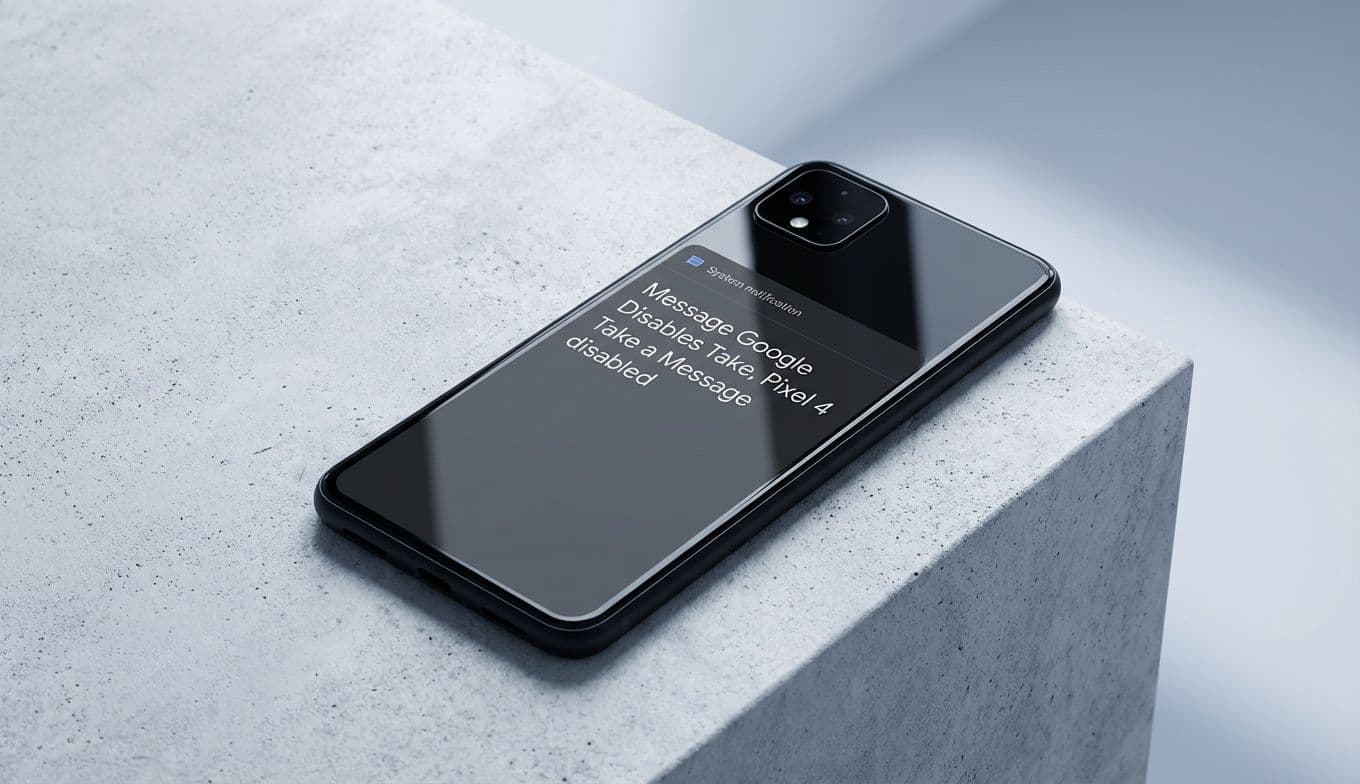
Google recently pulled the plug on the Take a Message feature for the Pixel 4 and Pixel 5. This move follows reports of a bug that inadvertently leaked audio to callers while they were supposed to be leaving a voicemail. While Google describes the issue as affecting a very small subset of users under rare circumstances, the fallout is a clear signal that the era of the Pixel 4 and 5 is officially over. If you are still holding onto these devices—or worse, considering buying one as a budget gift in 2026—this is the wake-up call you needed.

The Breakdown of a Legacy Feature

The feature in question, Take a Message, was designed to be one of those helpful AI-driven perks that define the Pixel experience. It was supposed to automatically answer calls and transcribe voicemails in real-time, allowing you to see what a caller wanted without picking up. It was a cousin to the famous Call Screen feature, which many of us use to dodge telemarketers.

However, a technical glitch turned this helpful assistant into an accidental eavesdropper. On certain Pixel 4 and 5 devices, the microphone remained active or triggered prematurely, allowing the person on the other end of the line to hear ambient audio they were never meant to hear. Google’s solution was swift: they didn’t just patch the bug; they disabled the feature and the next-gen Call Screen capabilities on these specific models entirely.

This isn’t just a minor software hiccup. For owners of these devices, a core reason to own a Pixel—the smart, automated calling features—has just been stripped away. It’s a stark reminder that as software becomes more complex, older hardware often struggles to keep up with the security and stability requirements needed to keep those features safe.

The Risks of Hanging On to Legacy Hardware

In 2026, the Pixel 4 and Pixel 5 are no longer the reliable daily drivers they once were. They have officially entered legacy status. While you might see them popping up on refurbished sites for enticingly low prices, these devices are increasingly becoming a gamble for several reasons.

First, there is the issue of the support window. The Pixel 4, released back in 2019, and the Pixel 5, from 2020, are ancient by modern standards. When a manufacturer stops providing regular security patches and OS updates, the device becomes a playground for vulnerabilities. This latest audio leak bug is a perfect example of what happens when old hardware tries to run modern, AI-heavy software. The integration isn't seamless anymore, and when things break, the manufacturer’s easiest fix is often to simply turn the feature off rather than spend resources fixing it for a handful of legacy users.

If you are looking for a phone for a child, a senior, or as a secondary device, the temptation to buy a refurbished legacy Pixel is high. But you have to ask yourself: is the cost saving worth the loss of privacy or the lack of future-proofing? In most cases, the answer is no. You aren’t just buying a phone; you’re buying a security liability that will only lose more features as time goes on.

Pro-Tip: How to Reclaim Your Privacy Right Now

Whether you are on a legacy device or the newest flagship, you shouldn’t wait for a bug report to tell you what your phone is doing. Android has built-in tools that many users ignore, but they are essential for staying in control.

If you want to ensure your microphone isn't acting as a secret listener, your first stop should be the Privacy Dashboard in your settings. This tool provides a 24-hour timeline of exactly which apps accessed your microphone, camera, or location and for how long. If you see the Phone app or any third-party tool accessing the mic at odd hours, it is time to investigate.

Furthermore, keep an eye on the top-right corner of your screen. Android now displays a small green dot whenever an app is actively using the microphone or camera. If that dot is glowing and you aren't on a call or recording a video, swipe down into your Quick Settings and tap the green icon to see exactly which app is responsible. Being proactive about these indicators is the best way to prevent a bug from becoming a privacy disaster.

Smarter Upgrades for the Modern User

If this Pixel snafu has convinced you that it is time to move on from your aging hardware, there are better ways to get the Pixel experience without the legacy risks. For those who love the Google ecosystem but don't want to spend four figures, the Pixel 8a or the newer Pixel 9 series are the actual smart choices for 2026.

Unlike the older models, the Pixel 8 and 9 series come with a massive seven-year promise for security and OS updates. This means that if you buy a Pixel 8a today, you aren't just safe for a year or two; you are supported well into the 2030s. This longevity is the most important feature you can look for in a new phone. It ensures that you won't wake up to find your favorite features disabled because of a legacy bug.

When shopping, prioritize the support window over the initial price tag. A device that costs fifty dollars less but loses support next year is actually more expensive in the long run. The Pixel 9, in particular, handles the AI-driven Call Screen features with dedicated on-device hardware that is far more secure and less prone to the kind of audio leaks we saw with the older models.

The Bottom Line on Tech Longevity

The disabling of Take a Message on the Pixel 4 and 5 is a quiet end to two very popular devices. It’s a reminder that in the tech world, nothing stays current forever. While we often focus on the flashy new features during a product launch, the real value of a smartphone lies in its ability to stay secure and functional year after year.

For the gift-givers and the bargain hunters, let this be a lesson: the best deal isn't always the cheapest one. Peace of mind and privacy are worth the extra investment in modern, supported hardware. If you are still carrying a Pixel 4 or 5, it might be time to say thank you for the memories and move on to something that won't leave the microphone running behind your back. Staying informed and choosing devices with long-term support is the only way to navigate a world where our phones know—and hear—more about us than ever before.

#Pixel 5 audio leak bug#Android privacy dashboard settings#legacy smartphone security risks#Pixel 8a vs Pixel 5 upgrade#Call Screen feature disabled