
DJI Avata 360 vs Antigravity A1: 360 Drone Review & US Ban
Discover why the DJI Avata 360 is the ultimate 360-degree drone for international creators, and why US pilots must choose the Antigravity A1. Read our review!

By Team Gimmie
Updated August 27, 2026
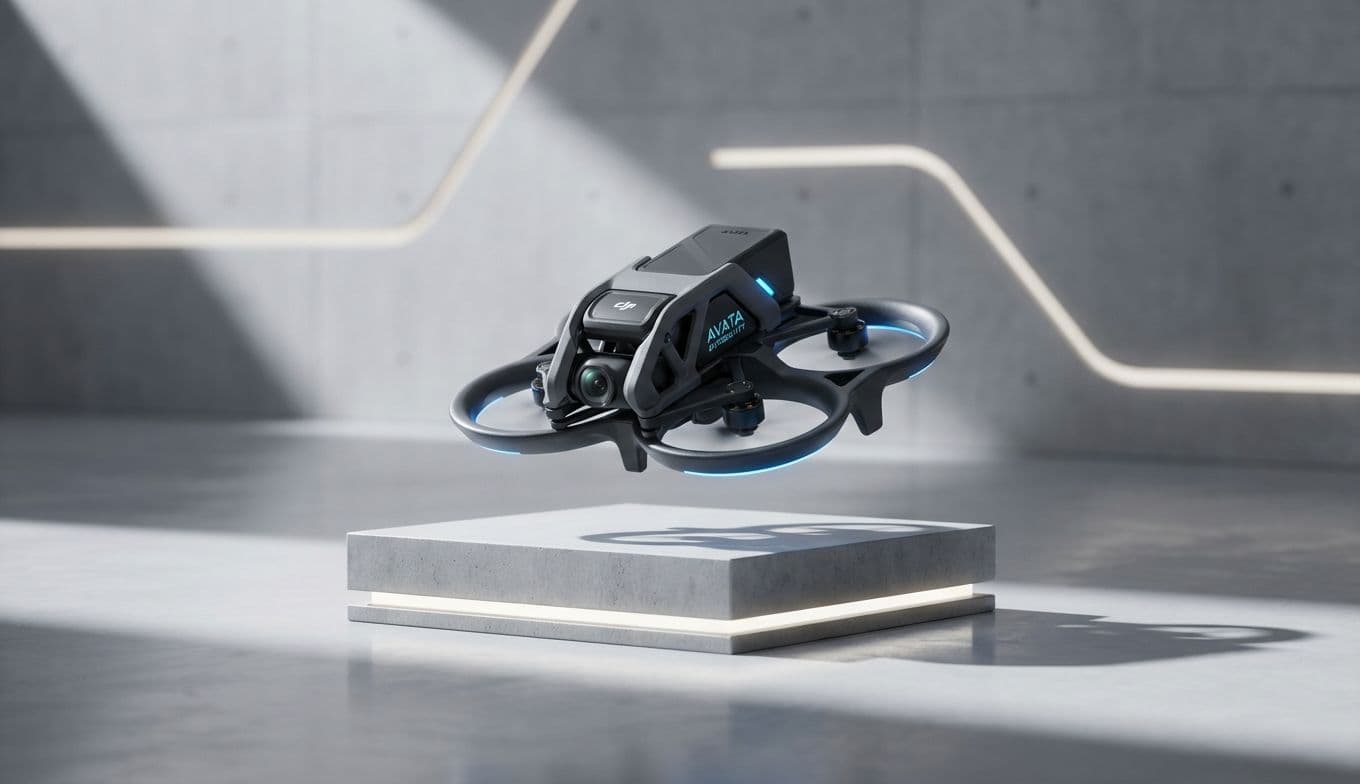
The 360-Degree Drone Dilemma: Why the DJI Avata 360 Changes Everything (Except for Americans)
For years, the drone world followed a predictable rhythm. DJI would release a product, it would dominate the market, and competitors would scramble to catch up. But as we move through 2026, the rhythm has been disrupted. The launch of the DJI Avata 360 marks a monumental shift in aerial cinematography, yet it arrives at a moment where geography matters more than your budget. Whether this drone is a "must-buy" or a "can't-buy" depends entirely on which side of the Atlantic you call home.
THE GIFT-GIVER’S QUICK GUIDE
If you are shopping for a drone enthusiast this season, here is the bottom line:
For US-Based Gift-Givers: Buy the Antigravity A1. Due to current FCC regulations and the de facto ban on DJI, the Avata 360 will not be officially available or supported in the United States. The Antigravity A1 remains the only viable, legal 360-degree drone option for American pilots.
For International Gift-Givers: Buy the DJI Avata 360. If you are in Europe, Asia, or any region where DJI is still the king of the mountain, the Avata 360 is the superior machine. It offers better speed, more polished software, and the reliability of the DJI ecosystem that the upstart Antigravity haven't quite matched yet.
BEYOND THE HORIZON: THE PROMISE OF 360-DEGREE FLIGHT
The Avata 360 isn't just another incremental update; it is a solution to the oldest problem in drone videography: pointing the camera. In traditional flight, you have to be both a pilot and a cinematographer, framing your shot while avoiding trees. With the Avata 360, you simply fly. Because the camera captures everything in a spherical bubble, you "re-frame" the footage after the flight. You can track a subject, look straight down, or pan behind the drone—all from the same single flight path.
Physically, the Avata 360 looks like a rugged evolution of the Avata 2. It keeps the cinewhoop-style ducting that makes it safe to fly near people or indoors, but it adds the specialized dual-lens optics required for seamless 360 capture. It feels substantial, polished, and ready for a crash—which is good, because when you’re flying at 60 miles per hour, gravity is a constant threat.
