
Best Air Purifiers for Cold & Flu Season (2026): Do They Work?
Can air purifiers prevent sickness? We analyze how HEPA filters combat cold and flu viruses and list the best features to look for this season.

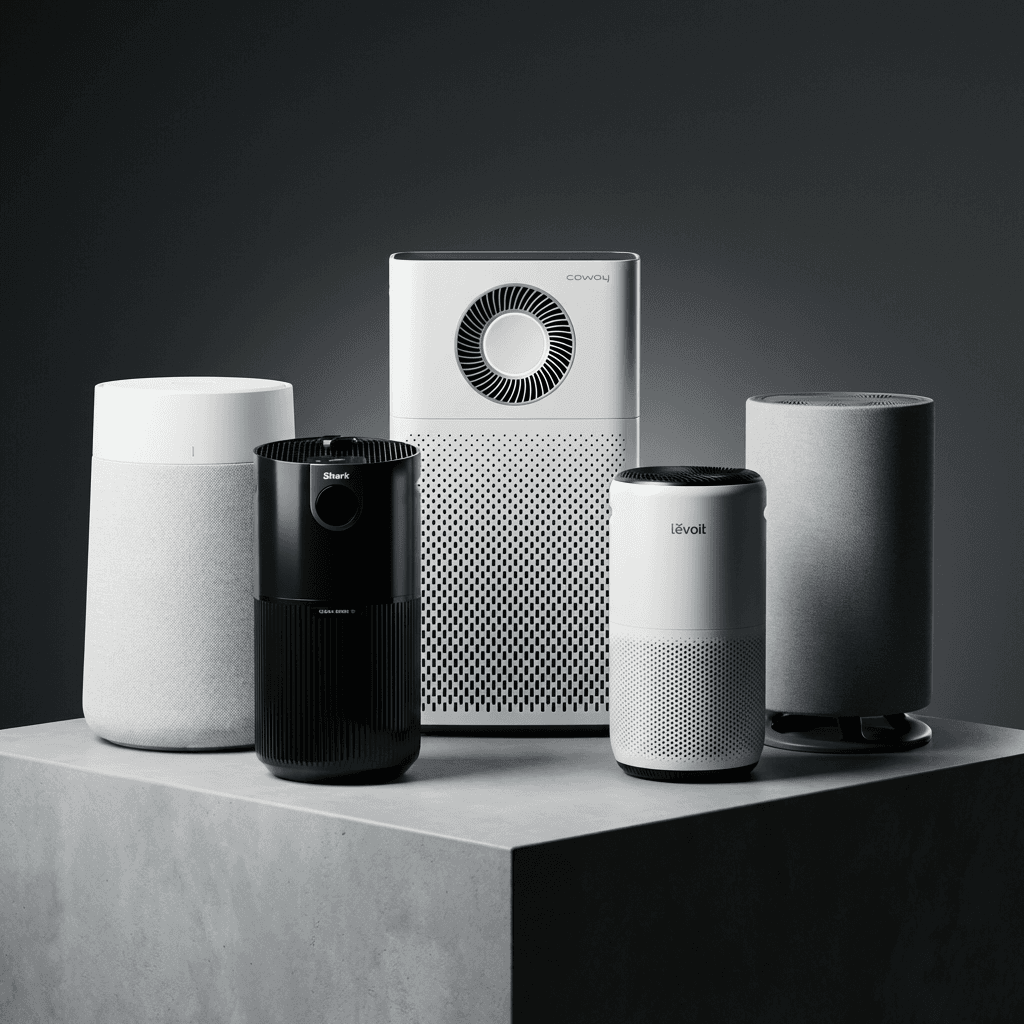
THE GIFT OF CLEAN AIR: WHY A PROPER AIR PURIFIER IS THIS SEASON’S HEALTH ESSENTIAL
There is a specific kind of dread that sets in when you hear the first persistent cough of the season. Whether it is a coworker in the next cubicle or your child coming home from school with a sniffle, the feeling of inevitability is hard to shake. We have been taught to wash our hands and sanitize our surfaces, but we often overlook the very thing we consume most: the air we breathe.
In an average day, you take about 20,000 breaths. During cold and flu season, those breaths can become a delivery system for airborne pathogens. While no device can claim to make you invincible, a high-performance air purifier acts as a vital line of defense. It is not just about removing dust or pet dander; it is about creating a controlled environment where your immune system doesn't have to work overtime.
THE SCIENCE OF THE INVISIBLE: HOW HEPA ACTUALLY PROTECTS YOU
To understand why an air purifier is more than just a fancy fan, we have to look at the physics of a True HEPA filter. There is a common misconception that these filters work like a simple kitchen sieve, where only particles smaller than the holes can pass through. In reality, it is much more sophisticated.
HEPA filters use a dense, chaotic web of fibers to trap particles through three different methods: interception, impaction, and diffusion. While viruses themselves are incredibly small, they rarely travel alone. They usually hitch a ride on larger respiratory droplets or "nuclei" that stay lofted in the air for hours. A True HEPA filter is rated to capture 99.97% of particles as small as 0.3 microns—the exact size that is hardest to catch. By pulling these particles out of circulation, you are effectively thinning the herd of pathogens in your living space.
PROVEN BY DATA: THE SMOKE CHAMBER CHALLENGE
At Gimmie AI, we don't rely on the flowery language found on a product’s box. We look at the raw data. The recommendations we make are backed by rigorous testing, specifically a grueling smoke-chamber test conducted on 12 of the most popular models on the market.
In these tests, researchers fill a sealed environment with dense smoke—which mimics the size and behavior of fine particulate matter and airborne pathogens—and measure exactly how long it takes for a machine to scrub the air clean. This isn't just about whether a machine works; it's about how fast it works. In a home environment, speed is everything. You want a machine that can cycle the air in a room several times per hour to ensure that a sneeze doesn't linger long enough to find a new host.
