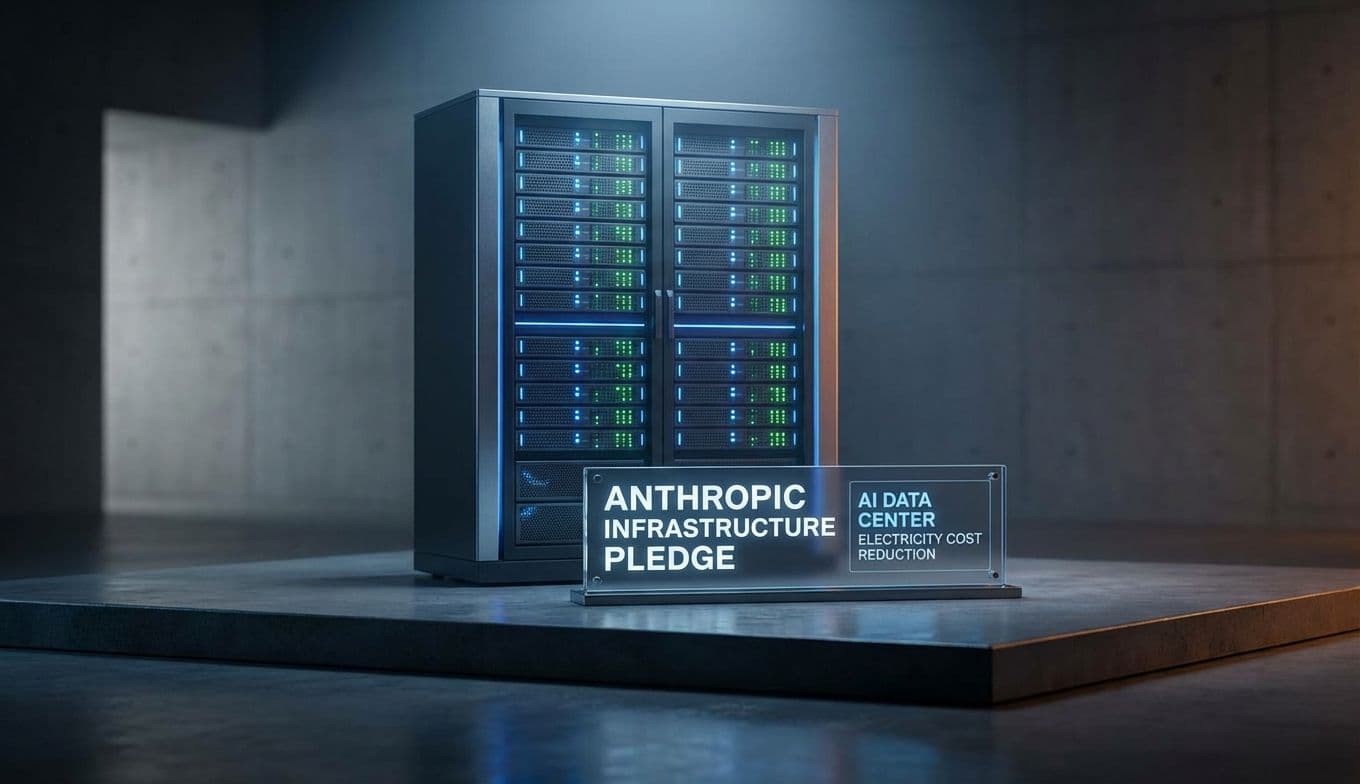
Anthropic AI Pledge: Stopping Data Center Costs on Electric Bills
Team GimmieThe Hidden Surcharge on Your Electric Bill: Why AI Data Centers Are Moving into Your Wallet
Open your last electricity bill and look past the actual usage charges. Somewhere in those line items for infrastructure, delivery, and grid maintenance, there is a hidden cost associated with the massive digital expansion happening in your backyard. While we have been busy marveling at chatbots that can write poetry or image generators that turn our dogs into astronauts, a much more grounded reality is taking shape: AI has a massive appetite for power, and until now, you have been the one picking up the tab for its table service.
The problem is straightforward but expensive. When a massive AI data center moves into a region, it requires a monumental upgrade to the local power grid. Transformers, substations, and miles of high-voltage wiring aren't cheap. Traditionally, utility companies don't just hand the bill to the tech giant; they socialize the cost, spreading those millions of dollars across every residential customer in the area. It is an indirect tax on progress, where your monthly budget subsidizes the development of the next large language model.
Anthropic’s New Pledge: Breaking the Subsidization Cycle
One of the heavyweights in the AI world, Anthropic, is finally acknowledging that this model is unsustainable for the average person. The company recently announced a commitment to cover 100 percent of the infrastructure costs required to connect its new data centers to the power grid. Crucially, they have pledged to absorb the specific portions of these costs that are typically passed down to local consumers.
This is a significant shift in corporate responsibility. By volunteering to pay for the literal hardware that powers their virtual products, Anthropic is attempting to decouple the growth of AI from the rising cost of living for residents in tech hubs like New York and Texas. They are essentially promising that their $50 billion expansion plan won't be financed by the single parent or the retiree living three towns over from a server farm.
However, as anyone who has ever read a software terms-of-service agreement knows, the devil is in the details. While the pledge is a massive win for consumer advocacy, Anthropic hasn't yet shared the specific contracts or agreements they have signed with energy providers. We know they want to do the right thing, but we don't yet know exactly how they will ensure that those savings actually stay in your pocket over the long term, especially as the ongoing energy demand of these facilities continues to skyrocket.

Why Your Next Tech Gift Carries a Grid Debt
You might wonder why a discussion about power grids belongs in a conversation about consumer technology and gifting. The reality is that the "Cloud" is a misnomer; it is actually a series of massive, power-hungry buildings. When you give a high-tech gift today, you aren't just giving a piece of hardware; you are giving a key to these data centers.
Consider the most popular gifts on the market right now:
AI-Powered Tablets and Laptops: Devices like the latest iPad Pro or AI-integrated Windows Copilot+ PCs rely heavily on off-device processing. Every time your recipient uses an AI tool to edit a photo or summarize a document, they are pulling power from the very grids Anthropic is discussing.
Smart Home Ecosystems: Advanced security cameras with AI-driven person detection (like those from Nest or Ring) and smart hubs (Apple HomePod or Amazon Echo) are constantly communicating with data centers to interpret voice commands and visual data.
Next-Gen Smartphones: Features like Google’s Circle to Search or Samsung’s Generative Edit on the Galaxy series are marketed as "on-device," but the heavy lifting often happens in a facility in Texas or New York.
If the companies building these devices don't follow Anthropic's lead, the "free" AI features included with your $1,000 gift will eventually show up as a surcharge on your friend’s or family member’s utility bill. Gifting a smart device shouldn't come with an invisible monthly subscription to a utility upgrade fund.
How to Gift Responsibly: The ESG Playbook
If you want to be a savvy consumer in the AI age, you need to look beyond the slick marketing and the number of megapixels. We are entering an era where ethical tech consumption means looking at a company’s ESG (Environmental, Social, and Governance) rating.
Before you buy that next AI-heavy gadget, take five minutes to search for the company’s ESG report or their specific pledges regarding data center energy. Are they investing in renewable energy to power their servers? Do they have a policy, like Anthropic's, that protects local residents from infrastructure costs?
A "Take Action" tip for the modern gift-giver: Check independent rating platforms like Sustainalytics or MSCI. A high ESG score often indicates that a company is thinking about its impact on the physical world, not just its stock price. When you choose a brand that internalizes its costs, you are voting for a future where technology doesn't come at the expense of your neighbor’s electricity bill.
The Road Ahead: Beyond the Infrastructure Hookup
Anthropic’s commitment is a vital first step, but it’s only the beginning of a much larger conversation about the sustainability of the AI boom. While they are paying for the "hookup" to the grid, the sheer volume of electricity these centers will consume over the next decade remains a massive challenge.
We need to see three things happen next to ensure AI remains a net positive for society:
Total Transparency: We need to see the receipts. Statements of intent are great, but verified agreements with utility companies are better.
Radical Efficiency: The hardware itself needs to get smarter. We can't just keep building bigger power plants; we need chips and algorithms that do more with less.
Renewable Sovereignty: Large-scale data centers should ideally be paired with their own dedicated renewable energy sources—solar farms or wind arrays—rather than competing with residents for the local supply.
Anthropic has set a precedent that makes it much harder for other AI giants to remain silent about their impact on local economies. As consumers and gift-givers, we have more power than we think. By favoring companies that take responsibility for their physical footprint, we can ensure that the "intelligence" in our pockets doesn't come at an unintelligent cost to our communities. Next time you see a headline about a new AI breakthrough, remember to check the hidden line item. The most valuable tech is the kind that doesn't make life more expensive for everyone else.