
Amazon's Gaming Retreat: Why Longevity Matters in 2026
Amazon backs out of the Maverick Games deal, signaling a major shift in gaming strategy. Learn why physical media and established consoles are safer bets for 2026.

By Team Gimmie
Updated August 27, 2026
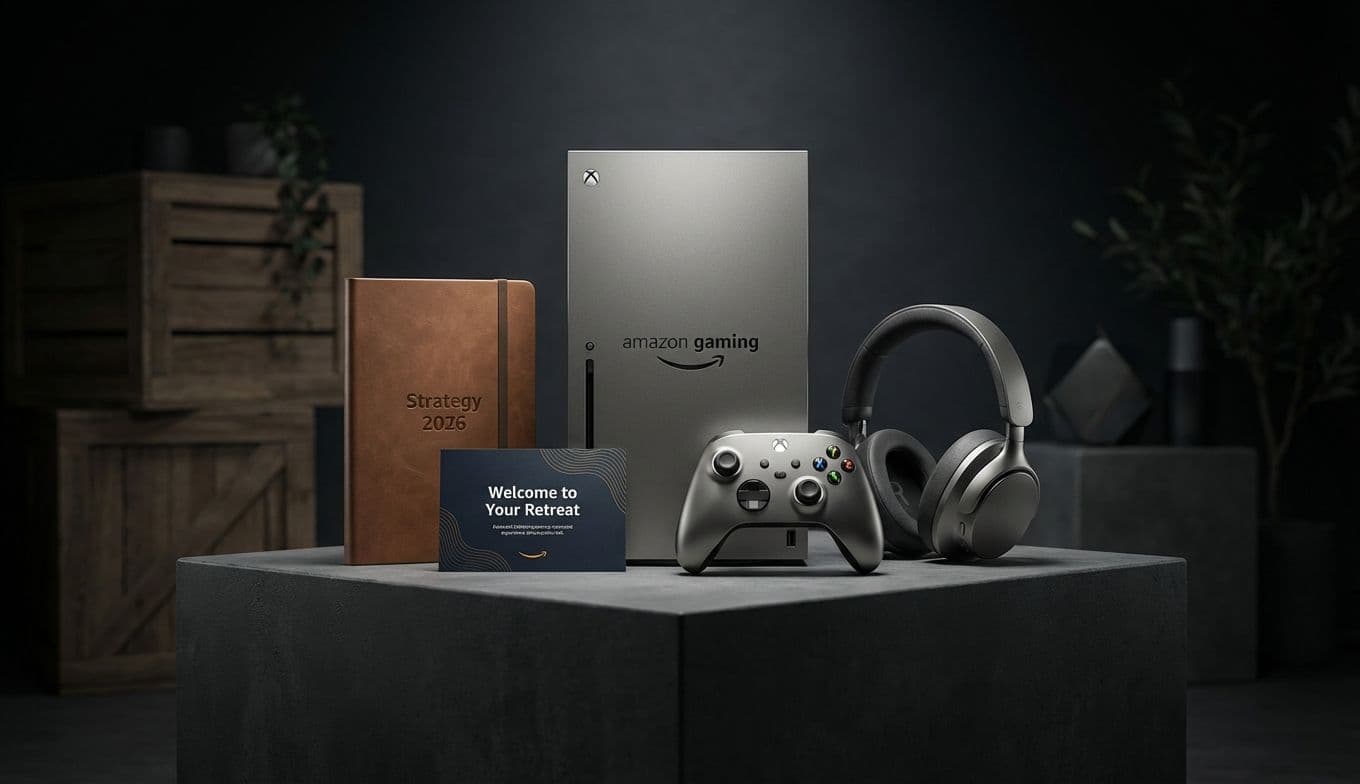
Amazon’s Gaming Retreat: Why Buying for Longevity Matters More Than Ever
It is February 2026, and the echo of Amazon’s gaming ambitions is fading. The latest development? They have officially backed out of publishing an open-world racing game from Maverick Games, a studio packed with former Forza talent. For those keeping score at home, this is just the latest in a decade-long series of retreats from Amazon’s aggressive push into the gaming world. From the shuttering of Crucible to the scaling back of New World, the e-commerce giant seems to be learning a hard lesson: deep pockets don't automatically buy a seat at the table in the gaming industry.
This latest move, reported by The Game Business and The Verge, isn't just an industry footnote. It is a clear signal of a shifting strategy that affects how we, as consumers and gift-givers, should approach our tech purchases this year. As we move past the winter holidays and into the 2026 gaming calendar, the question isn't just about what is new—it is about what is going to last.
The Shifting Sands of Tech Giants in Gaming
Amazon's forays into gaming have always felt like a massive conglomerate trying to find its footing in a specialized, passionate market. It is not like selling books or smart speakers. Gaming requires a deep understanding of community, a dedication to long-term support, and a willingness to fail and learn in the public eye. Amazon often approaches these ventures with a broad brush, expecting quick wins that rarely materialize in a medium where development cycles last five to seven years.
The retreat from Maverick Games' title suggests that Amazon’s internal strategists have decided the risk-to-reward ratio just isn't there for high-budget, "prestige" titles. This isn't necessarily a reflection on the talent at Maverick—it is an indictment of Amazon's internal patience. For shoppers, this raises a red flag. When a tech giant tries to play in a sandbox and then gets bored and leaves, the consumers who bought into that ecosystem are often the ones left holding the bag.
The Pivot to Party Games: A Narrowing Vision
Amazon has recently signaled a pivot away from massive multiplayer games and toward "party games" and their cloud-streaming service, Luna. While party games are a beloved genre, Amazon’s vision here remains frustratingly vague. To succeed, they are competing with established masterpieces that have defined the genre for years.
