AI Consumer Tech Guide: Lessons from Uber's AI Budget Burn
Uber burned its 2026 AI budget in 4 months with little to show. Learn how to avoid AI marketing fluff and buy consumer tech that actually works. Read more!

By Team Gimmie
Updated August 27, 2026
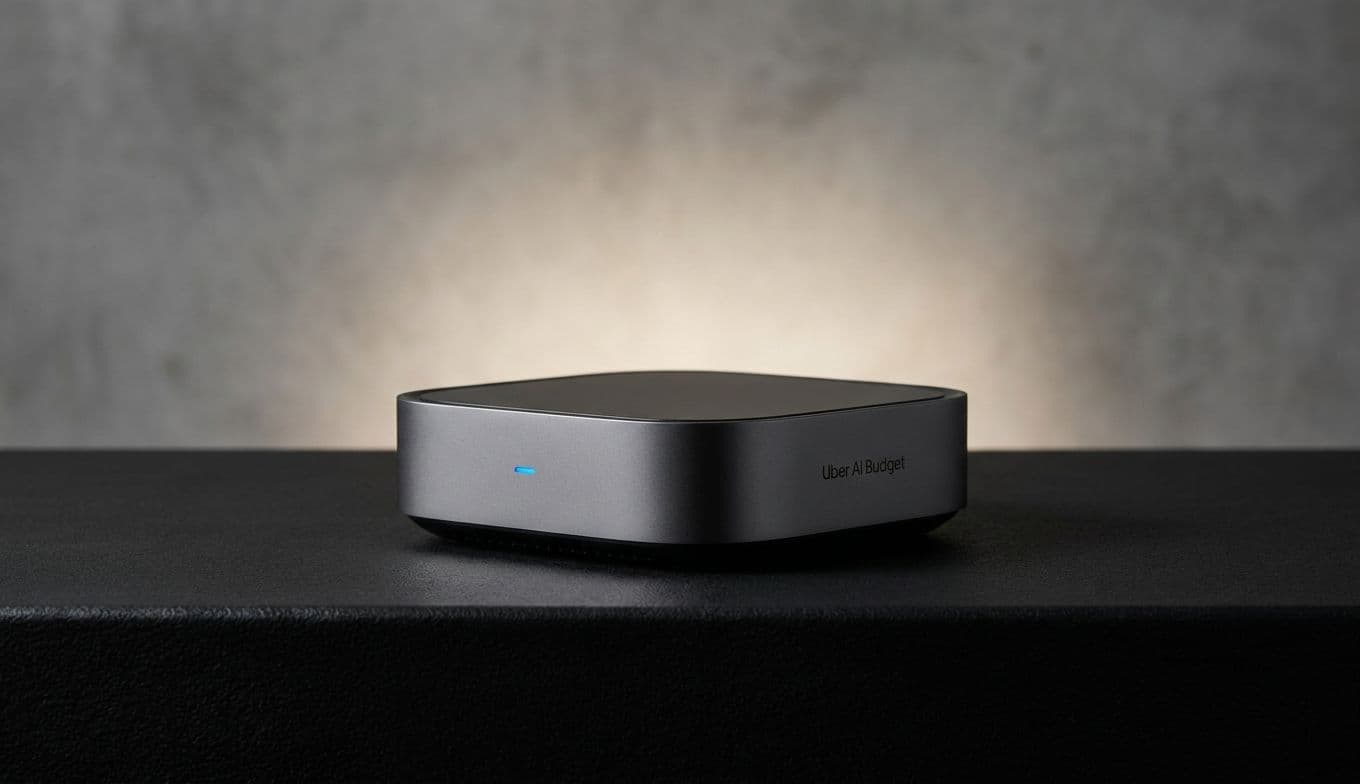
THE FOUR-MONTH BURN: WHAT UBER’S AI STRUGGLE TELLS US ABOUT MODERN SHOPPING
It is only May 26, 2026, and Uber has already vaporized its entire annual budget for artificial intelligence.
Think about that for a second. A company with a market cap nearing two hundred billion dollars planned for a year of innovation and managed to burn through every cent of that allocation in just four months. In a recent interview with Rapid Response, Uber president Andrew Macdonald dropped a truth bomb that should make every consumer pause: the company is finding it increasingly difficult to justify the spend. Macdonald admitted that while they are shipping more features, it is nearly impossible to draw a straight line between massive AI spending and anything that actually makes the service better for you, the rider.
This isn't just a corporate accounting problem. It is a warning for all of us. We are currently living through an era where "AI" is slapped onto everything from toothbrushes to toasters, often as a justification for a higher price tag. If a tech giant like Uber can’t find the value in the noise, how are we supposed to navigate the crowded aisles of the tech market when looking for a gift that actually works?
THE GAP BETWEEN HYPE AND UTILITY
The problem Macdonald highlighted—the disconnect between "token consumption" and "useful features"—is exactly what we see on the shelves of big-box retailers. We are being sold the promise of intelligence, but we’re often just buying complexity.
When you look at a product like the Spinn Coffee Maker, you see AI used correctly. It doesn't just have a chatbot that asks how your day was; it uses sensors and centrifugal brewing logic to adjust the grind and speed based on the specific bean profile you’ve loaded. That is a tangible benefit. The "intelligence" results in a better cup of coffee.
Contrast that with the flood of "AI-integrated" kitchen appliances that simply add a layer of frustration. Do you really need an air fryer that requires a stable Wi-Fi connection and a proprietary app to tell you how to cook a chicken wing? Probably not. The "AI" there isn't solving a problem for you; it's collecting data for the manufacturer. Uber’s struggle proves that even the pros are realizing that more tech doesn't always mean a better product.