AI Car Design: How AI is Ending the 5-Year Automotive Lag
Discover how AI car design is revolutionizing the auto industry. Learn how GM and Nissan use generative design to end the 5-year lag. Read the full guide!

By Team Gimmie
Updated August 27, 2026
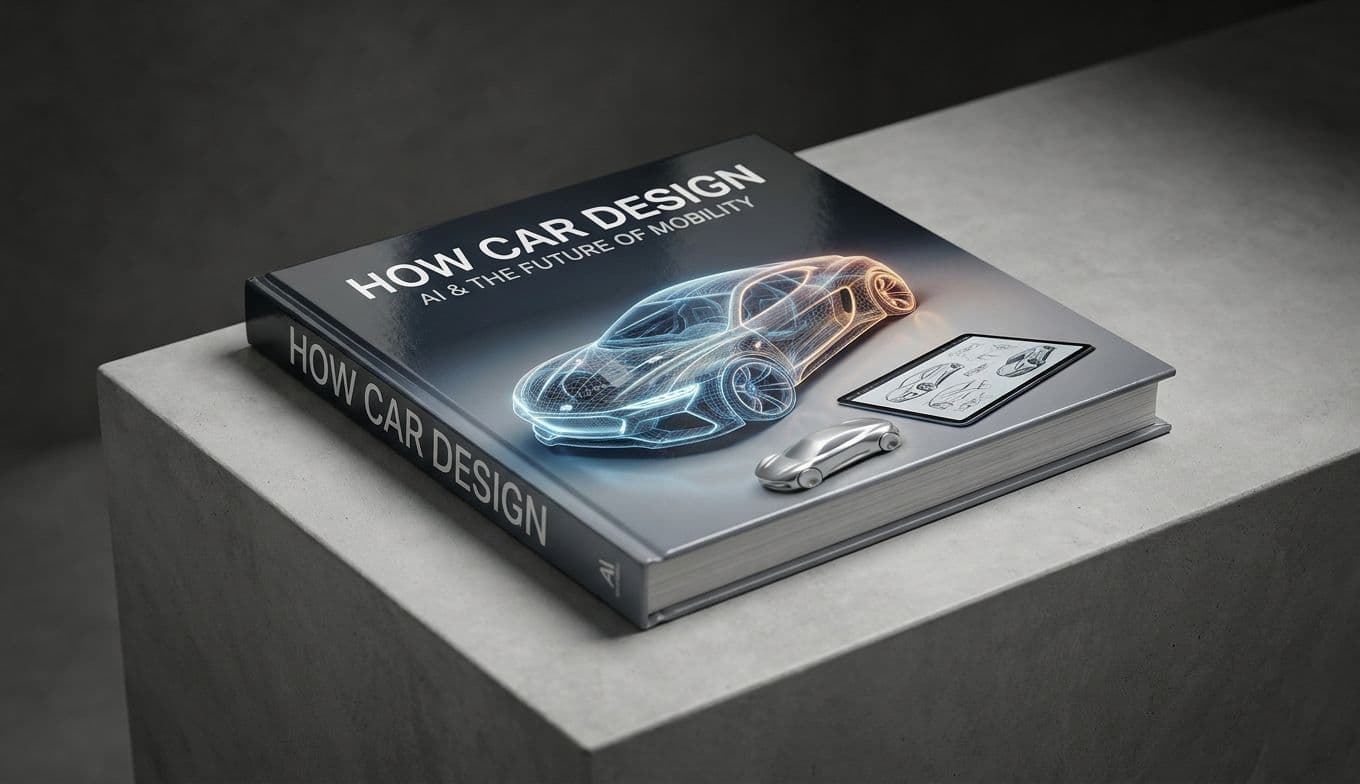
The Five-Year Lag and the AI Revolution in Your Next Car
Have you ever sat in a brand-new vehicle, looked at the dashboard, and felt like it was already a tiny bit behind the times? It is not your imagination. In the traditional automotive world, the car you buy today was actually finished years ago. Most vehicles debuting this season were sketched, sculpted, and finalized back in 2020 or 2021. Between the initial "spark" of an idea and the first time a tire hits a dealership lot, there is a grueling half-decade of clay modeling, wind tunnel testing, and safety iterations.
But we are currently witnessing a massive shift in how cars are born. Artificial intelligence is no longer just a buzzword for self-driving sensors; it has moved into the design studio. For the tech enthusiast or the buyer looking for a high-ticket investment that will actually stay relevant, understanding this shift is the ultimate "gift of knowledge." We are moving away from the era of the human-drawn sketch and into the era of the optimized, AI-accelerated machine.
Breaking the Five-Year Cycle
The traditional design process is a bottleneck. A designer draws a concept, an engineer tells them it is aerodynamically impossible, and the model goes back to the drawing board for months. Industry giants like General Motors (GM) are aggressively working to collapse this timeline. By integrating AI into the early stages of development, manufacturers can simulate thousands of "stress tests" before a single physical part is ever manufactured.
Instead of waiting for a clay model to be built and placed in a wind tunnel, engineers can now use AI to predict how air will flow over a car's body with incredible accuracy. This does more than just save time. It means that the car you buy in 2027 might actually reflect the technology and aesthetic tastes of 2026, rather than being a relic from five years prior. For anyone who values having the absolute latest in innovation, this shortened development cycle is the most significant change in decades.
Generative Design and Organic Optimization
If you look at the suspension components or internal brackets of the next generation of cars, you might notice something strange. They do not look like traditional "car parts." Instead, they look almost skeletal or organic, like something found in nature. This is the result of Generative Design.