2026 Winter Olympics Tech: VR, Drones & Best TVs to Watch
Team GimmieTHE WINTER OLYMPICS REIMAGINED: HOW NEW TECH WILL BRING MILAN-CORTINA INTO YOUR LIVING ROOM
The biting air of the Italian Alps, the razor-sharp edge of a skate hitting the ice, and the collective gasp of a crowd as a ski jumper defies gravity—the Winter Olympics have always been about the sensory experience. But as we look toward the 2026 Games in Milan and Cortina, the "experience" part is about to undergo a radical transformation. We aren't just talking about higher-resolution cameras; we’re looking at a complete overhaul of how sports are consumed, analyzed, and felt from a distance.
As a tech reviewer, I’ve sat through countless presentations promising the next big thing. Often, it’s just marketing glitter. But the suite of technologies being prepped for 2026 feels different. It’s moving away from passive observation and toward total immersion. If you’re a fan, or if you’re looking to gift something truly special to the sports enthusiast in your life, the way you prepare your home "fan cave" matters more now than ever.
THE FPV DRONE REVOLUTION: FROM SPECTATOR TO PARTICIPANT
We’ve all seen the sweeping aerial shots of mountain ranges. They’re beautiful, but they’re distant. For 2026, broadcasters are doubling down on First-Person View (FPV) drones. These aren’t your hobbyist quadcopters; they are high-speed, agile rigs that can chase a downhill skier at 80 miles per hour, inches from the snow, or weave through the gates of a slalom course.
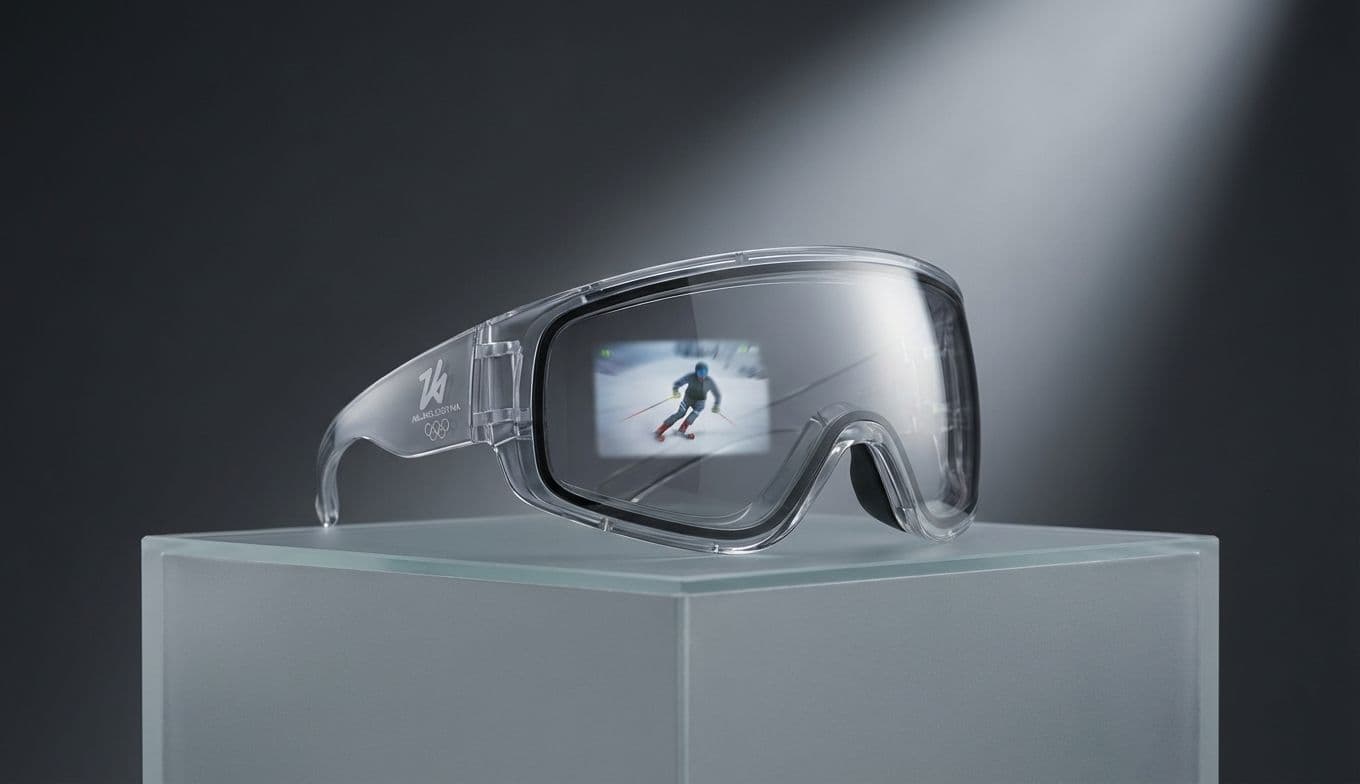
This gives us a POV that was previously impossible—the feeling of being strapped to the athlete. To truly appreciate this, the traditional television experience might actually be the "entry-level" version. If you want to lean into the immersion, this is the year VR and AR headsets finally earn their keep in the sports world.
For the ultimate gift, look at the Meta Quest 3. Unlike previous iterations, its passthrough capabilities and high-fidelity lenses make it the perfect vessel for these FPV drone feeds. Imagine sitting on your couch but seeing the world through the eyes of a snowboarder as they hit a massive air in the halfpipe. For those who want the absolute pinnacle of display technology, the Apple Vision Pro offers a "spatial computing" experience that can place multiple Olympic feeds around your room, including those dizzying drone shots, in a resolution that rivals reality.

PRECISION VIEWING: 360-DEGREE REPLAYS AND THE MOTION BLUR BATTLE
There’s nothing more frustrating than a close call in a figure skating routine or a photo finish in short-track speed skating where the footage looks like a smeared mess. The 2026 Games will utilize a massive array of synchronized cameras to provide real-time, 360-degree replays. This allows broadcasters to "freeze" time and rotate the camera around the athlete, providing a forensic look at their technique and positioning.
However, here’s the reality: if your TV can’t handle high-speed motion, all that fancy 360-degree tech will still look blurry in your living room. When we talk about sports, refresh rate is king. Most standard TVs run at 60Hz, which is fine for a sitcom, but for a puck moving at 100mph, it’s not enough.
If you’re upgrading for the Games, the LG G4 OLED is the current gold standard. It features a 144Hz refresh rate and specialized motion handling that eliminates the "soap opera effect" while keeping the action crisp. If you prefer the brightness of Mini-LED for a sunlit room, the Sony Bravia 9 offers incredible peak brightness to make the Italian snow look blindingly real, paired with Sony’s legendary XR Motion Clarity processing. These aren’t just TVs; they are precision instruments for sports fans.
OLYMPICS GPT: THE COMPANION REVOLUTION
One of the biggest hurdles for the Winter Games is the complexity of the rules. Do you actually know how the "rock" is scored in curling, or how "style points" are calculated in freestyle skiing? Enter "Olympics GPT," a localized AI assistant trained on decades of Olympic data. This isn’t a generic chatbot; it’s a real-time analyst integrated into the broadcast apps.
You could ask, "Why did that jump get a lower score than the previous one?" and receive a breakdown of the technical faults within seconds. It turns the casual viewer into an expert. But you don’t want to be constantly toggling between your phone and your 75-inch TV.
The smart move here is a "companion screen." A device like the Amazon Echo Show 15 is the perfect gift for this setup. You can mount it on the wall or prop it on a side table to act as a dedicated stats and AI hub. While the main event stays on the big screen, the Echo Show can display real-time biathlon shooting scores, athlete bios, or the "Olympics GPT" interface, keeping your primary viewing experience clutter-free.
THE ITALIAN TIME ZONE: BUILDING THE 24-HOUR FAN CAVE
Since the 2026 Games are based in Milan and Cortina, many of the live events will air during the early morning or late night hours for viewers in North America. This shifts the focus from just "tech" to "endurance." If you’re planning to catch the live downhill runs at 4:00 AM, your fan cave needs to be equipped for it.
First, let's talk about the "Winter" atmosphere. It’s hard to feel the Olympic spirit when you’re shivering or, conversely, when the heater is making the air too dry. A smart heated blanket, like the Sunbeam Royal Ultra, allows you to stay cozy during those pre-dawn viewing sessions without heating the whole house. It’s a "winter theme" gift that actually gets used every single day.
Second, the caffeine factor is non-negotiable for an Italian Olympics. To truly honor the host country, move past the pod machines. A premium espresso machine like the Breville Barista Express or the De'Longhi Eletta Explore—which can even do cold brew for those afternoon replays—is the ultimate upgrade. It makes those 3:00 AM wake-up calls feel like a luxury rather than a chore.
THE VERDICT: IS IT TIME TO UPGRADE?
The 2026 Winter Olympics are shaping up to be the most technologically dense sporting event in history. We’re seeing a shift where the "broadcast" is no longer just a video feed—it’s a data-rich, immersive environment.
Is it worth the hype? If you’re still watching on a five-year-old mid-range TV and relying on a phone for scores, you’re going to miss half the story. The jump to a high-refresh-rate OLED like the LG G4, the addition of a VR headset for FPV feeds, and the convenience of a dedicated stats display like the Echo Show 15 fundamentally change how you relate to the athletes.
In the end, technology is about closing the gap between the fan on the couch and the athlete on the mountain. With the right tools, the 2026 Games won’t just be something you watch—they’ll be something you experience. And for the sports fan in your life, that is the best gift of all.