11 Best Smartwatches (2026): Apple, Samsung, Garmin & More

Team Gimmie

Team Gimmie

1/15/2026

11 Best Smartwatches (2026): Apple, Samsung, Garmin & More

The 11 Best Smartwatches for 2026: Apple, Wear OS, and Beyond

There was a time when leaving the house without your smartphone felt like venturing into the wilderness without a map. In 2026, that tether has finally snapped. The latest crop of smartwatches has evolved from being expensive notification buzzers into genuinely independent companions. We have moved past the era of gadgets that just mirror your phone; we are now in the age of wearables that can manage your health, navigate your world via satellite, and coach you through a marathon without a handset in sight.

After months of rigorous testing—strapping multiple devices to our wrists during mountain hikes, sleep cycles, and daily commutes—we have identified the top performers. These are the 11 best smartwatches you can buy right now, vetted for accuracy, battery life, and real-world utility.

The Heavy Hitters: Apple and Samsung

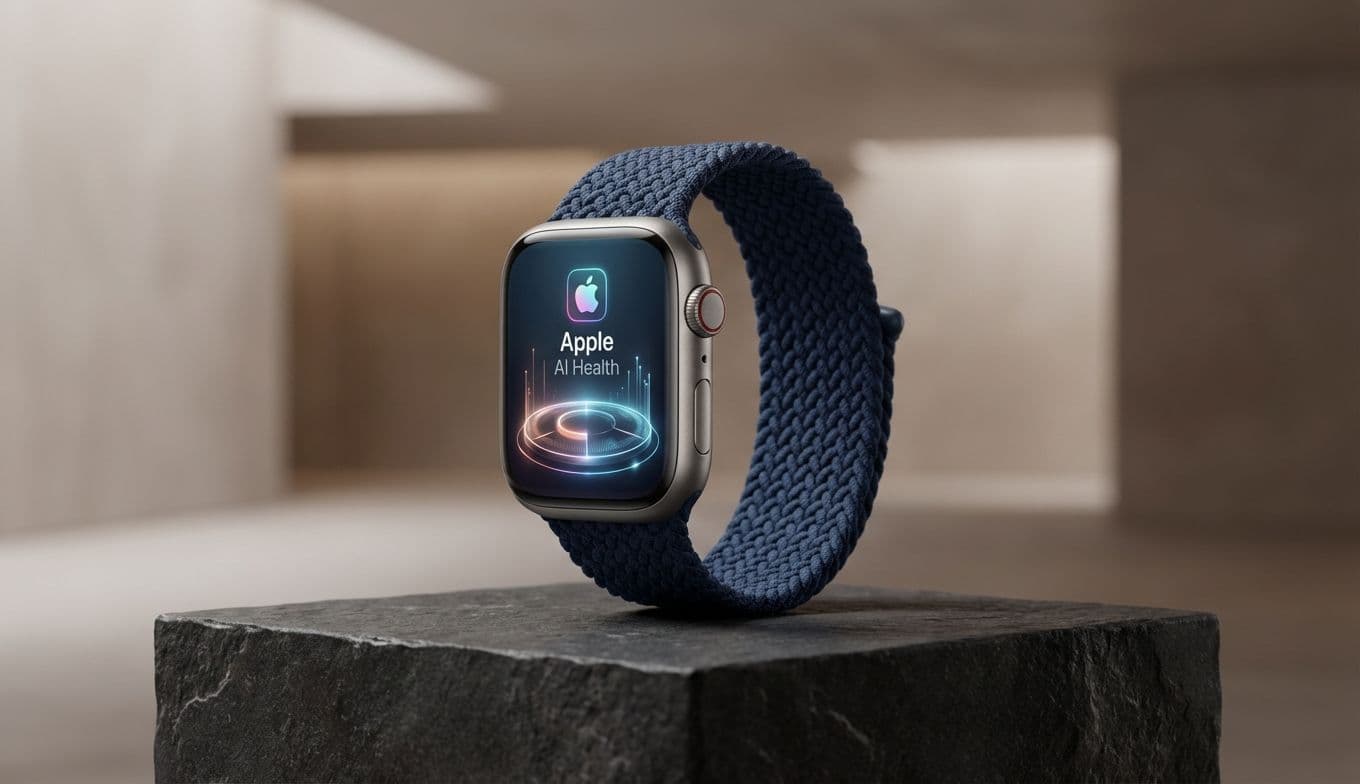
Apple Watch Series 11: Best Overall The Apple Watch Series 11 remains the gold standard for most people, but it’s the new AI-driven health features that stole the show this year. Apple’s Vitals app now uses predictive modeling to warn you about oncoming illness up to 48 hours before you feel symptoms. In our testing, the new S11 chip delivered a much-needed boost to battery life, consistently giving us 36 hours of use even with the always-on display active. It is the most seamless experience for any iPhone user, offering a level of app integration and haptic refinement that no one else has quite matched yet.

Apple Watch Ultra 3: Best for Rugged Endurance For those who treat their weekends like an episode of a survival show, the Ultra 3 is the clear winner. The big upgrade for 2026 is the integrated Satellite SOS messaging, which now allows for two-way non-emergency texting when you’re miles outside of cellular range. Our tests in the Sierra Nevadas proved the dual-frequency GPS remains the most accurate in the business, tracking through heavy tree cover where others drifted. The battery still leads the Apple pack, pushing through three full days of heavy GPS use.

Samsung Galaxy Watch 8: Best for Android Users Samsung has officially closed the gap with the Galaxy Watch 8. This year’s standout feature is the non-invasive metabolic tracking, which provides a general trend of your blood glucose levels after meals. While not a medical-grade replacement for finger-prick tests yet, it’s an incredible tool for wellness. The integration with Google’s Wear OS 6 is fluid, and the BioActive Sensor remains the most comprehensive for body composition analysis. If you aren't an iPhone user, this is the most capable watch on the market.

Google Pixel Watch 4: Best for Style and Simplicity Google has finally mastered the hardware. The Pixel Watch 4 keeps the iconic domed glass look but has significantly trimmed the bezels. The real draw here is the deep integration with Fitbit’s new AI Coach, which looks at your sleep, strain, and recovery to tell you exactly how hard you should train each morning. It feels less like a computer and more like a personal assistant. Our testing showed the heart rate sensor is particularly snappy during high-intensity interval training, matching the accuracy of a chest strap more closely than previous iterations.

Fitness and Performance Specialists

Garmin Fenix 8: Best for Serious Athletes If you measure your life in miles and vertical feet, the Garmin Fenix 8 is your North Star. Garmin has finally perfected the AMOLED display without sacrificing its legendary battery life; we squeezed 22 days of power out of this unit with the solar charging face. The 2026 model introduces a new Endurance Score that factors in heat and altitude acclimation better than any other wearable. It’s bulky, yes, but it’s essentially a ruggedized tactical computer for your wrist.

Garmin Venu 4: Best for Everyday Health The Venu 4 is Garmin’s bridge between a hardcore fitness tracker and a lifestyle smartwatch. It features a stunning screen and the most intuitive interface in the Garmin lineup. We loved the new Meditation Mode, which uses skin conductance sensors to track how well you’re actually relaxing during breathing exercises. It’s the perfect choice for someone who wants Garmin’s elite-level data but doesn’t want to look like they’re about to climb Everest.

OnePlus Watch 3: Best Battery Life for Wear OS Wear OS watches are notorious for dying after a day, but the OnePlus Watch 3 is the exception. Thanks to its dual-engine architecture, it lasted us four full days on a single charge while still running the full version of Wear OS. It lacks some of the hyper-advanced health sensors found in Samsung’s flagship, but for someone who wants a fast, responsive, and long-lasting watch that doesn't require a daily charging ritual, this is the one.

Fitbit Sense 3: Best for Stress Management While other brands focus on 100 different sports modes, Fitbit has doubled down on mental health. The Sense 3 features an advanced cEDA (continuous electrodermal activity) sensor that is eerily good at detecting spikes in stress. It then prompts you with AI-guided reflections to help identify triggers. It’s thin, lightweight, and perfect for the user who wants to prioritize holistic wellness over athletic performance.

Specialized Favorites: Hybrids and Kids

Withings ScanWatch 3: Best Hybrid Smartwatch Not everyone wants a glowing screen on their arm. The Withings ScanWatch 3 looks like a high-end analog timepiece, but hidden behind the physical hands is a small OLED window for notifications. It offers medical-grade ECG and SpO2 tracking and boasts a battery life of 30 days. It’s the ultimate choice for the professional who needs to stay connected but values classic horological style.

Garmin Bounce 2: Best for Kids Safety is the priority for the Bounce 2. It doesn't allow social media or open internet access, focusing instead on two-way LTE messaging and real-time GPS tracking for parents. The 2026 version includes a new Geofencing+ feature that alerts parents not just when a child leaves a zone, but if their travel speed suggests they’ve entered a vehicle. It’s durable, waterproof, and gives kids a sense of independence without the risks of a smartphone.

Apple Watch SE (2026): Best Value You don’t need to spend $800 to get a great experience. The updated SE provides the core Apple Watch experience—fall detection, heart rate alerts, and seamless messaging—for a fraction of the price. It lacks the always-on display and the advanced blood oxygen sensors, but for the average user or as a gift for a teenager, it is the most logical and cost-effective entry point into the world of wearables.

Making the Right Choice

When you’re sifting through these options, the first question shouldn't be about features, but about your phone. If you have an iPhone, the Apple Watch is a near-mandatory choice for the best experience. If you’re on Android, Samsung and Google offer the most polish.

Beyond the ecosystem, think about your "charging tolerance." If you hate the idea of another device on your nightstand every evening, look toward the OnePlus Watch 3 or the Garmin Fenix. However, if you want the most cutting-edge AI health coaching, the daily charge for an Apple Watch Series 11 or a Pixel Watch 4 is a small price to pay for the insights they provide.

In 2026, the best smartwatch isn't the one with the most sensors; it’s the one that fits so naturally into your life that you forget you’re wearing it—until it saves you a trip to your phone or alerts you to a health change you hadn't noticed. Choose the one that solves your specific friction points, and you’ll find it’s the most useful tool you own.

#Apple Watch Series 11 review#Samsung Galaxy Watch 8 features#Garmin Fenix 8 battery life#best android smartwatch 2026#smartwatch buying guide